What Mattress Firmness for 200+ lbs? A Weight-Based Guide (2026)
Body weight is the single most important variable in mattress firmness selection. The same mattress feels firmer to a lighter sleeper and softer to a heavier one, because the feel of a mattress is determined by how far your weight compresses it.
Mattress firmness is not an absolute property. A mattress rated "medium-firm" by the manufacturer was developed for a target weight range, typically 130 to 180 pounds. The same mattress will feel meaningfully softer to a 280-pound sleeper and noticeably firmer to a 120-pound sleeper, because firmness is experienced as how far the body compresses the mattress surface.
This has a direct practical consequence: firmness ratings from review sites and manufacturers are unreliable guides if your body weight falls outside the average range. At 200 pounds and above, you need to understand how weight changes the effective firmness of any given mattress, and what to look for to compensate.
Why the same mattress feels different at different weights
ILD (Indentation Load Deflection) is the industry-standard measure of foam firmness: the number of pounds of force required to compress a 4-inch foam sample by 25 percent. But the actual sinkage a sleeper experiences is not fixed at 25 percent. It depends on their body weight.
A 150-pound sleeper lying on a medium-firm mattress (ILD 28) might compress the comfort layer by 20 percent at the hip. A 250-pound sleeper on the exact same mattress might compress the same layer by 40 percent or more, pushing through the comfort layer and into the firmer support core. The 250-pound sleeper is not sleeping on a medium-firm surface; they are effectively sleeping on the support core, which behaves like a firm or extra-firm surface.
This is why the standard recommendation of "medium-firm for back pain" or "medium for side sleeping" does not translate cleanly across weight ranges. The category is the same but the experience is not.
Research: Laboratory testing comparing actual mattress sinkage across weight groups found that subjects weighing over 220 pounds compressed standardized medium-firm mattress comfort layers to their full depth approximately 60 percent of the time during simulated sleep positions, effectively bypassing the designed pressure relief function. Average-weight subjects compressed the same layers to full depth in under 5 percent of test conditions. (Radwan A, Journal of Chiropractic Medicine, 2015)
Common misconception: "Heavier sleepers need a firm mattress." Heavier sleepers need a mattress where the effective firmness felt at their weight falls in the appropriate range for their sleep position. Because higher weight compresses comfort layers further, a mattress that feels medium-firm to an average sleeper will feel soft to a heavy sleeper. The correct choice for a 250-pound side sleeper is not labeled "soft" but rather a mattress that delivers a medium feel at their weight, which usually means buying a firmer product than their sleep position would suggest for a lighter person.
Firmness by weight and sleep position
These are practical starting points. Body composition, width, and individual pressure sensitivity all affect the result.
Side sleeping:
- 130 to 180 lbs: medium (ILD 25–28)
- 180 to 230 lbs: medium-firm (ILD 28–32)
- 230 to 300 lbs: firm (ILD 32–38), with comfort layer depth of at least 3 to 4 inches
Back sleeping:
- 130 to 180 lbs: medium-firm (ILD 28–32)
- 180 to 230 lbs: firm (ILD 32–38)
- 230 to 300 lbs: firm to extra-firm, with reinforced lumbar zone
Stomach sleeping:
- 130 to 180 lbs: firm (ILD 32–38)
- 180 to 300 lbs: firm to extra-firm; the risk of lumbar hyperextension from excessive sinking is significant at heavier weights in prone position
Combination sleeping:
- Go firmer than single-position side sleeping recommendations; prioritize avoiding bottoming out at the hip in side positions, which is the worst-case outcome
The comfort layer depth equation: Firmness selection alone is not enough. A heavier sleeper buying a firm mattress with a 1-inch comfort layer will feel every coil. The target is adequate comfort layer depth (3 to 4 inches minimum) at appropriate firmness so the layer conforms enough to distribute pressure without compressing through to the support core. Depth and firmness work together, and both matter.
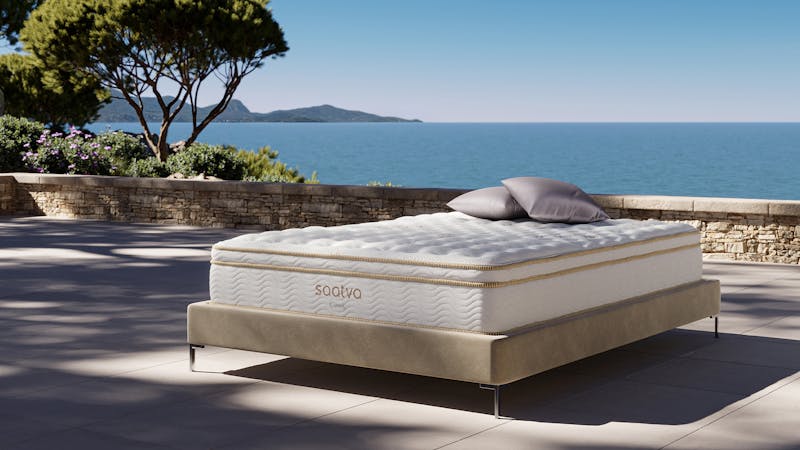
The Firm option sits in the firmness range that provides a medium-firm effective feel for most sleepers in the 200 to 280 pound range. The dual-coil construction means the support response comes from a mechanically robust coil system rather than foam, which does not compress progressively in the same way. For back sleepers over 200 pounds, the reinforced lumbar zone provides targeted support that prevents the lumbar spine from sinking into flexion regardless of body weight. For side sleepers in this weight range, the Luxury Firm option provides slightly more comfort layer depth while maintaining adequate support.
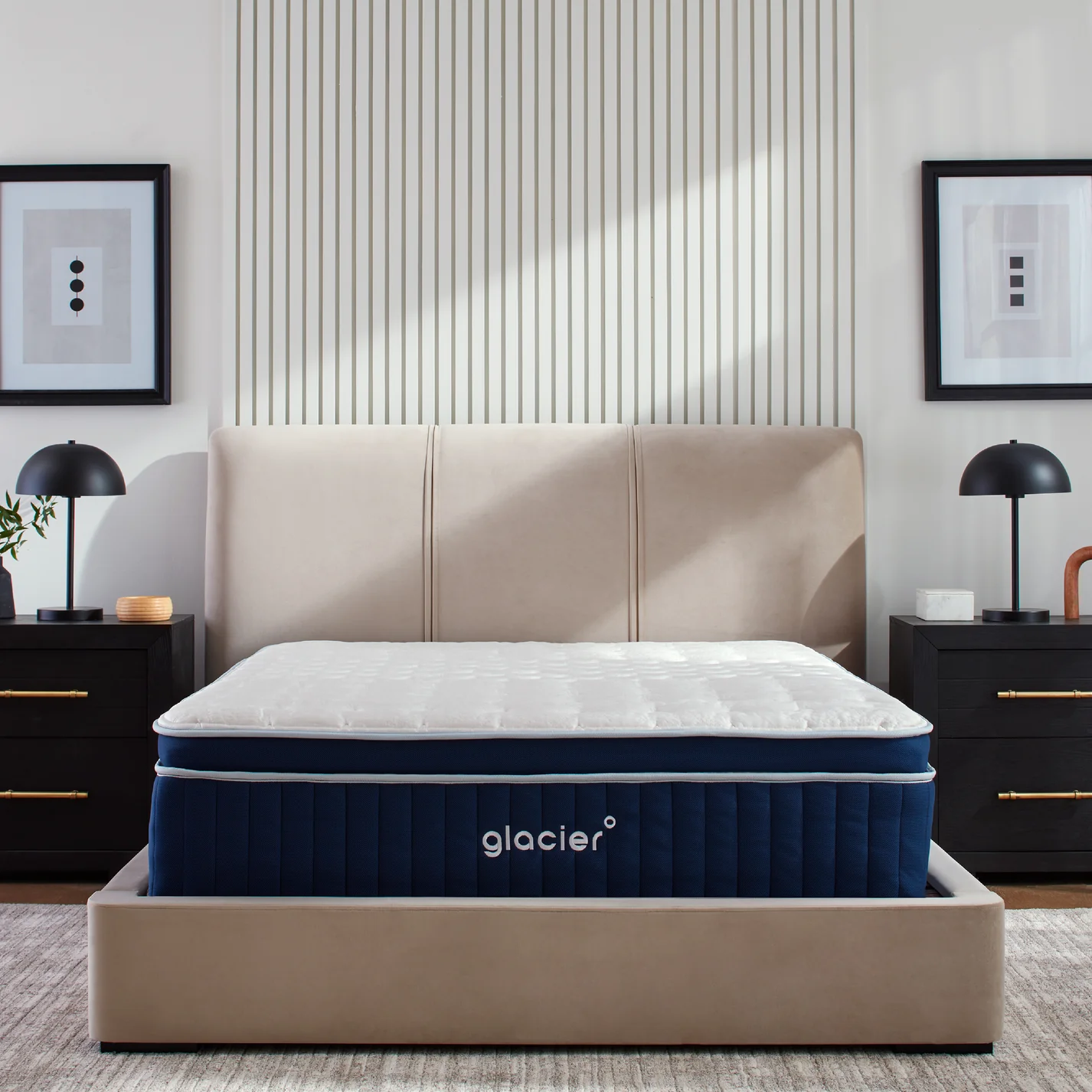
The medium-firm positioning and depth of the DreamCloud Premier euro top places it in a range that works for most 200 to 250 pound sleepers in the effective medium range. The pocketed coil base provides the mechanical resistance that prevents progressive sinkage, and the hybrid construction avoids the all-foam bottoming-out issue that undermines firmness performance at higher weights. For sleepers closer to 280 pounds, the firm end of medium-firm may feel closer to medium, which is appropriate for side sleeping at that weight.
For side sleepers in the 200 to 250 pound range specifically, the Luxury Firm Saatva provides the most balanced combination: enough comfort layer depth to distribute hip and shoulder pressure without bottoming out, combined with the dual-coil support system that maintains spinal alignment. The effective feel for a 220-pound side sleeper is approximately what a 160-pound sleeper would experience on a standard medium-firm mattress.
Related Reading
Full ranked list
Best Mattress for Back Pain
See every mattress we tested for back pain, ranked by performance score.
Top Picks for Back Pain
See full list →Ranked by test data
Not sure which mattress is right for you?
Take our 60-second quiz and we'll match you with the best options for your sleep style and budget.
Take the Free Quiz →