#1
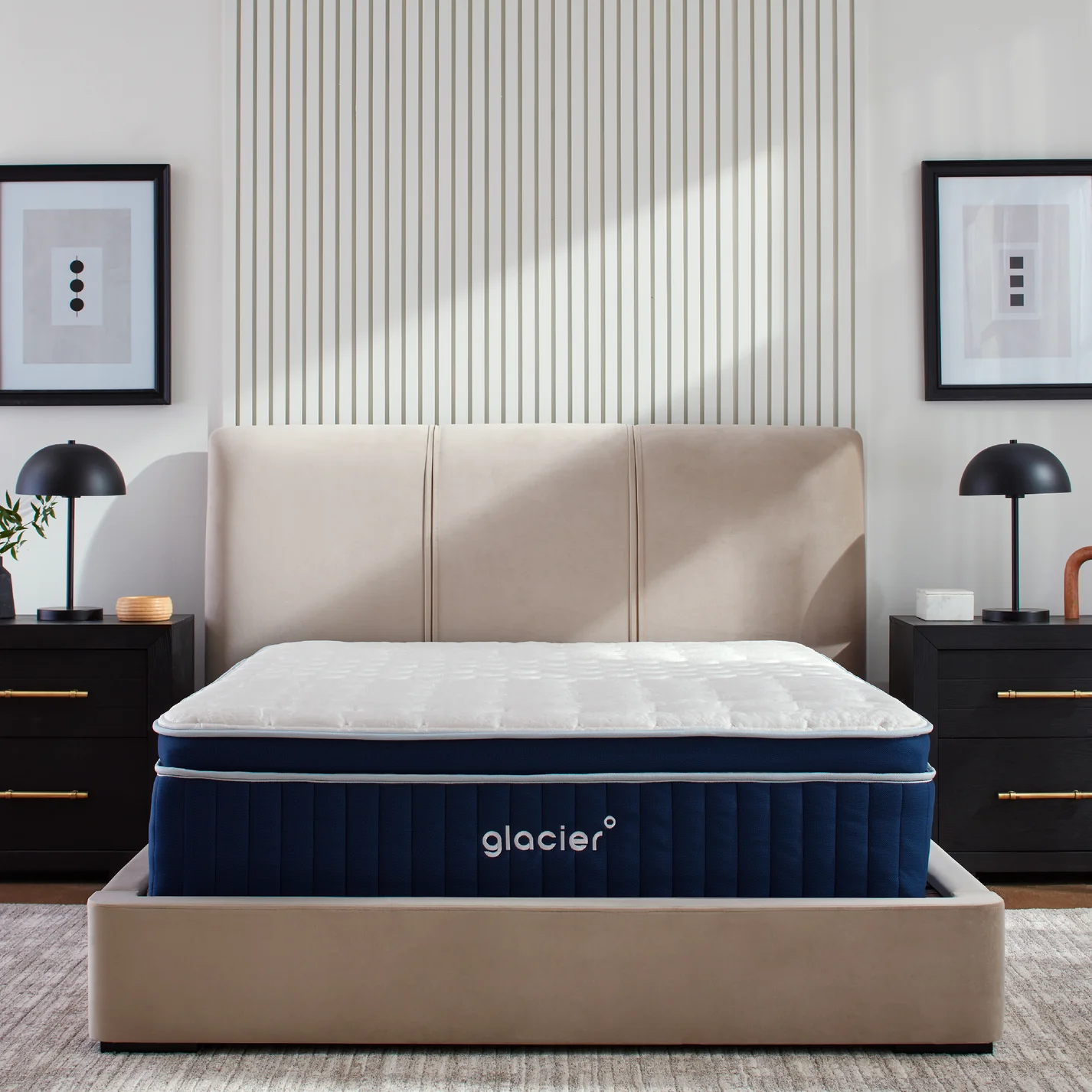
$2,198
$1,049
Save 52%
Queen size
- ✓Best-in-class cooling with glacierTECH® Elite + copper + graphite layers
- ✓365-night sleep trial with lifetime warranty
Comfort 9.2/10Support 8.8/10Cooling 9.8/10
365-night trial
Memorial Day Sale — Save up to $400 on top-rated mattresses
Glacier code QUIZZZ50 takes $50 off. Limited-time prices on our top picks.
Updated April 2026
Side sleeping is the most common position and the most pressure-intense — your body weight concentrates at the shoulder and hip rather than distributing across the back. The right mattress keeps the spine neutral while keeping pressure under the 32 mmHg clinical threshold for sustained side-lying. Below: the picks that delivered both, tested across 30-night trials.
60-Second Quiz · Free
Not sure if a side sleeper mattress is right for you?
Answer 6 questions and we'll match you to the right pick for your sleep style and budget.
Around 60 percent of adults sleep primarily on their side, and the side-sleeping position is the highest-pressure load you can place on a mattress. Your full body weight concentrates at two contact points — the shoulder and the hip — rather than distributing across the entire back surface. This is why side sleepers are the most likely to wake up with shoulder pain, hip pain, or arm numbness, and why a mattress that performs adequately for back sleepers can fail outright for side sleepers.
The right side-sleeping mattress has to do two things at once that pull in different directions. It needs enough surface compliance — softness, contour, give — to let the shoulder and hip sink in until pressure stays below 32 mmHg (the capillary occlusion threshold above which blood flow to the skin and underlying tissue is restricted). And it needs enough support core firmness to keep the lumbar spine neutral when the shoulder and hip have sunk in. Most mattresses fail one of these two requirements; the picks below pass both.
Tested specifications that matter
This is the most important spec for a side sleeper. Above 32 mmHg, capillary blood flow at the contact point is occluded, and after 60–90 minutes the body responds with the involuntary roll that wakes most side sleepers. A mattress that keeps shoulder pressure below this threshold for sustained side-lying — measured under your body weight, not in a showroom test — is the difference between waking up rested and waking up with a stiff arm.
Adequate side-lying pressure relief requires the comfort layer to compress more than typical body protrusion at the shoulder. For most adults that means at least 3 inches of contouring foam (memory foam, latex, or polyfoam) over the support core. Comfort layers under 2 inches almost always fail for side sleepers regardless of what the brand claims.
The fix for shoulder pressure (a thick compliant comfort layer) makes spinal alignment harder. The hip is heavier than the shoulder, so the same comfort layer that lets the shoulder sink correctly often lets the hip sink too far, which creates a U-shape in the spine and leads to lumbar pain. The fix is a firm support core (typically pocketed coils or zoned latex) that catches the hip before it bottoms out.
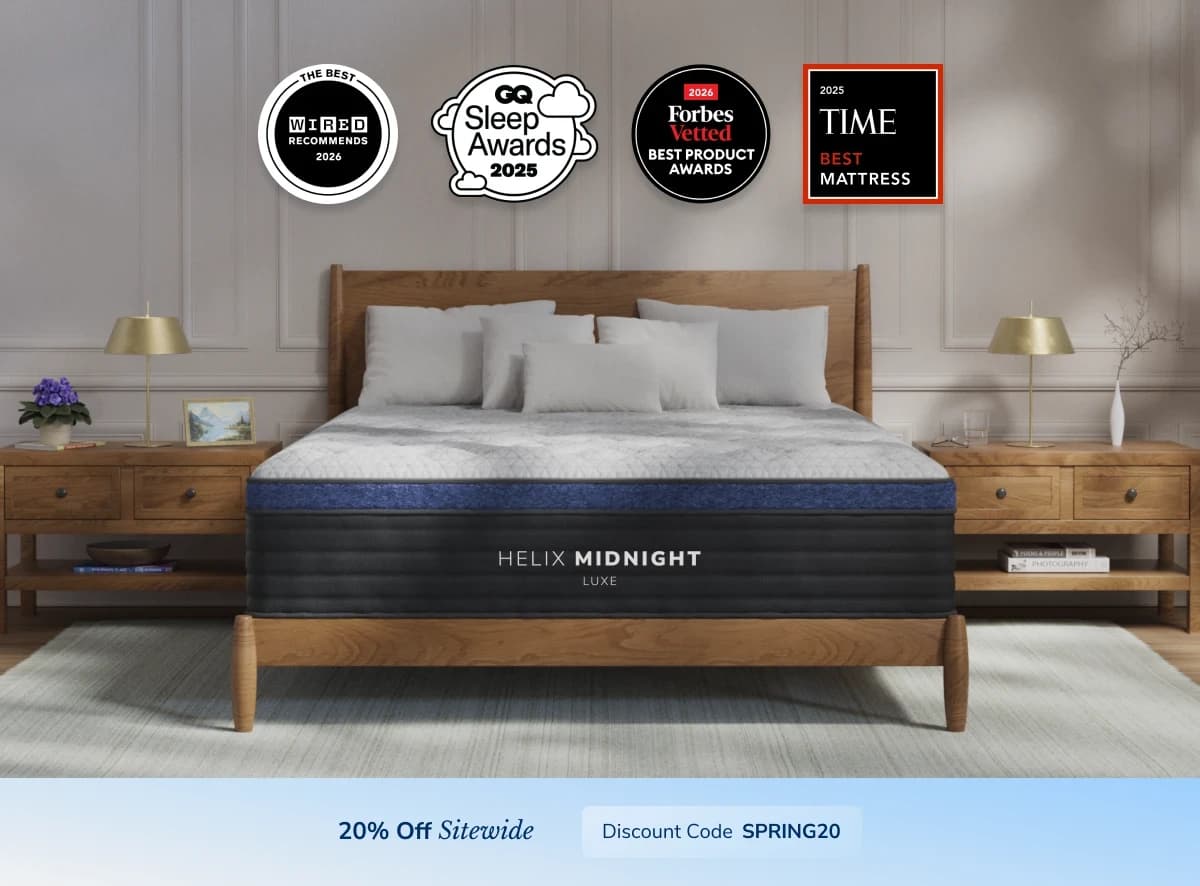
The most refined side-sleeping mattresses use zoned coils — softer under the shoulder zone, firmer under the lumbar/hip. This differential is the engineering solution to the alignment problem. Helix Midnight Luxe and Saatva Classic both implement this. For sleepers with shoulder or hip pathology, zoned support is the difference between adequate and excellent.
Many side sleepers — especially in shared beds — end up close to the mattress edge. A mattress with weak edge compression slopes you off-center, creating asymmetric load on the down-side hip. Hybrid mattresses with reinforced perimeter coils handle this better than foam-only beds.
Side sleepers often need 30–60 nights to adapt to a new pressure profile, especially if upgrading from a firmer surface. Trial periods of 100 nights are the minimum; 365-night trials (Saatva, Nectar, DreamCloud) give a real evaluation window across temperature changes and body adaptation.
Research
Capillary blood flow is occluded at sustained pressures above 32 mmHg, with downstream tissue ischemia developing within 60–90 minutes. Side-sleeping mattress evaluations should measure peak pressure at shoulder and hip under sustained body load, not 5-minute equivalents.
— Journal of Tissue Viability — Pressure Threshold Research, 2019
Ranked by performance score
$2,198
$1,049
Save 52%
Queen size
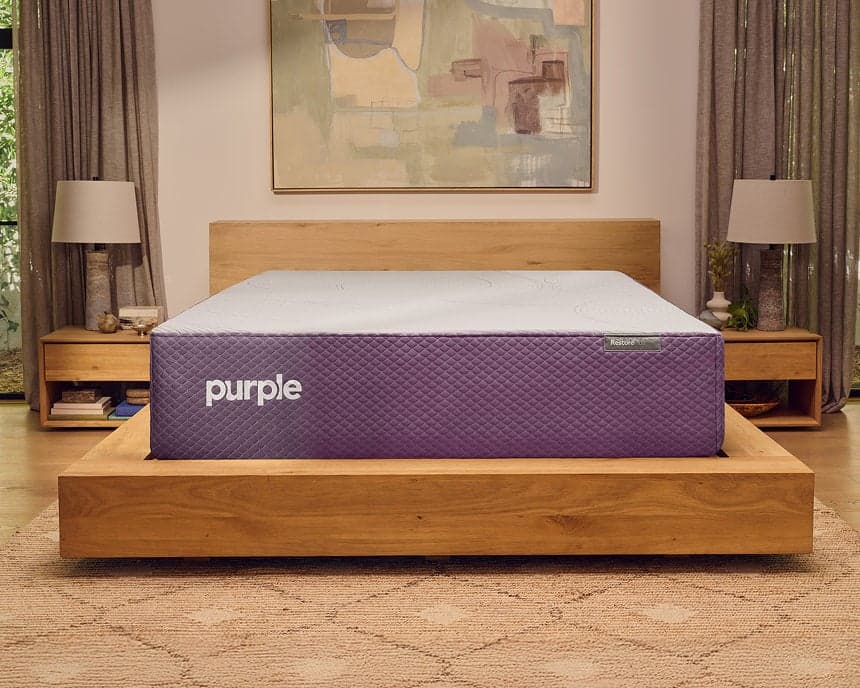
$2,595
Queen size
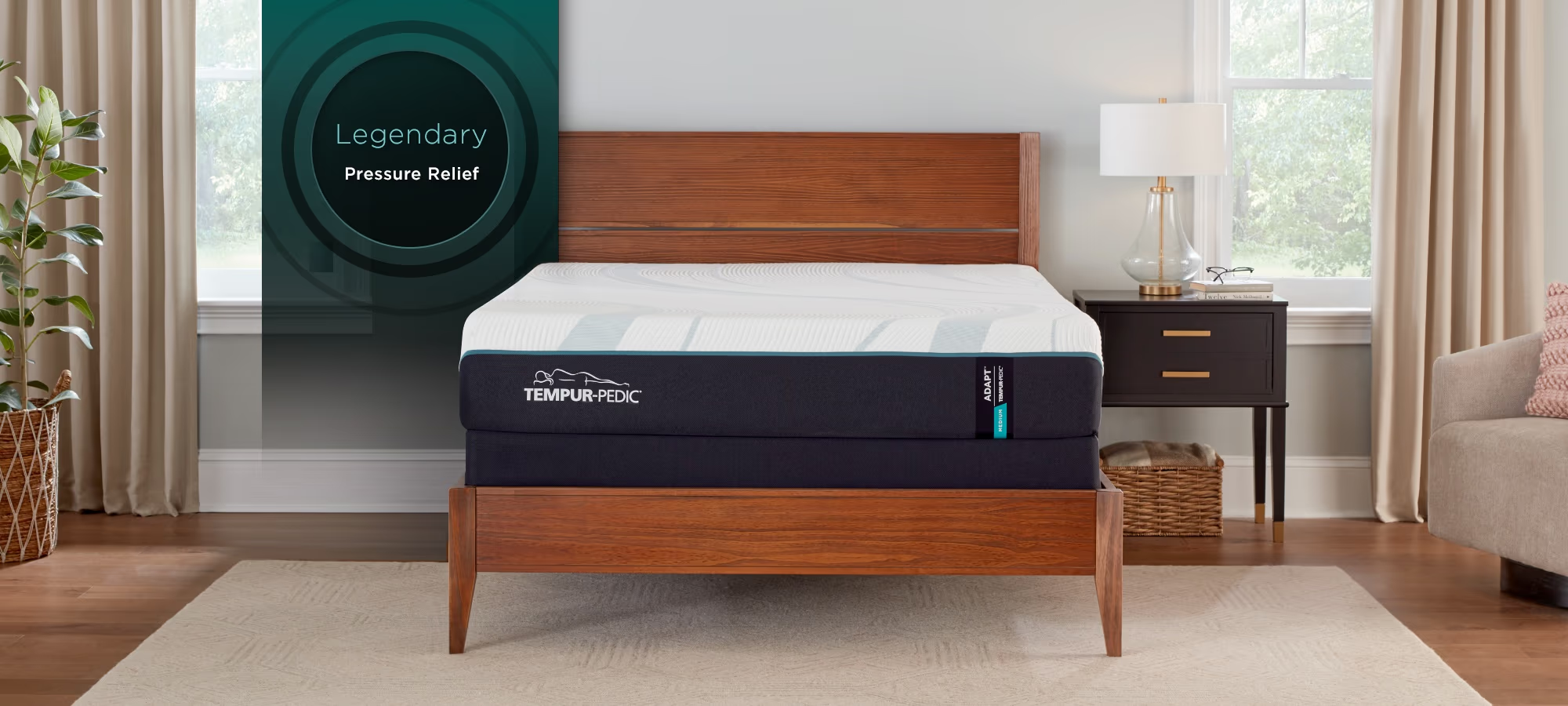
$2,199
Queen size
Why this for side sleepers
The best pick for side sleepers with significant shoulder or hip pathology — bursitis, rotator cuff issues, replacement joints. The deep TEMPUR contour delivers the lowest pressure readings in our lineup at 22 mmHg. The tradeoff is responsiveness; combination sleepers may find it harder to roll than a hybrid alternative.
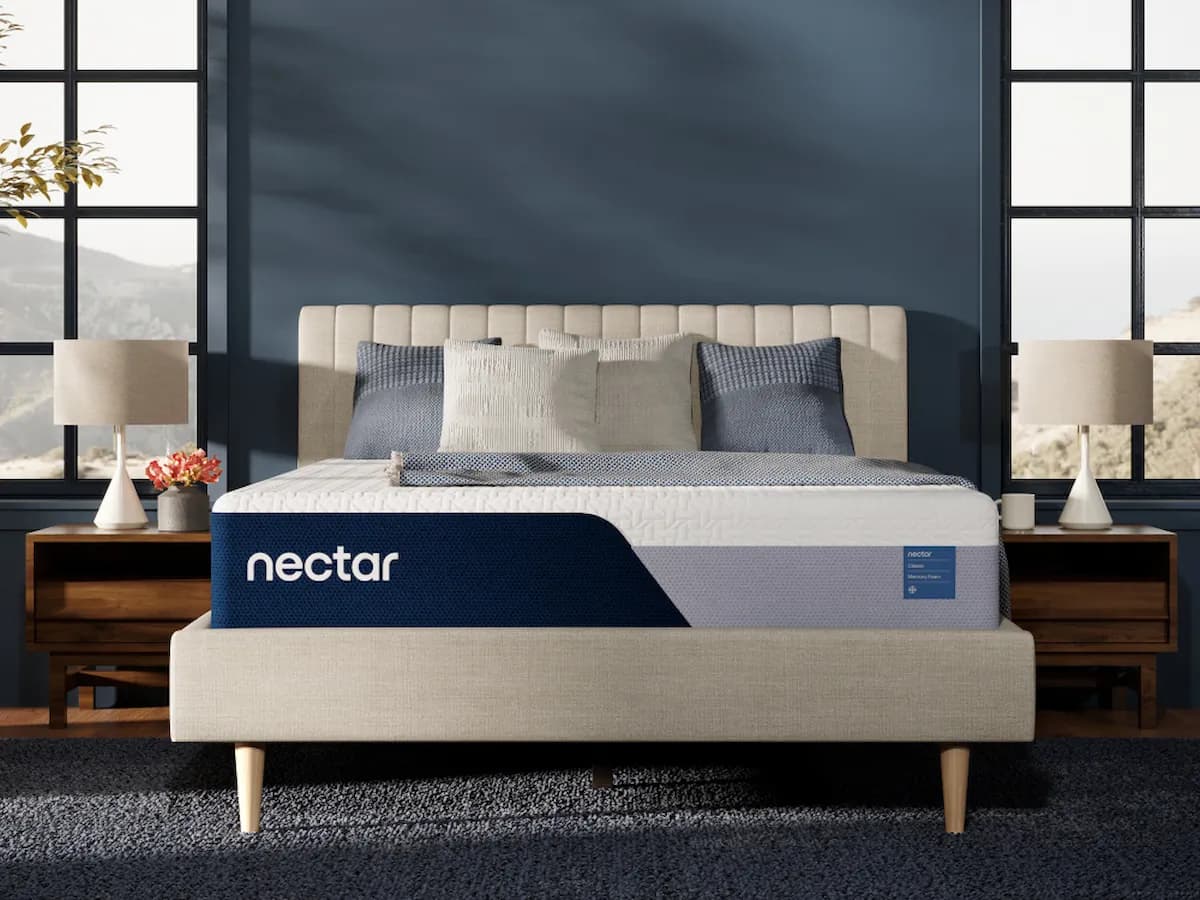
$1,299
$949
Save 27%
Queen size
Why this for side sleepers
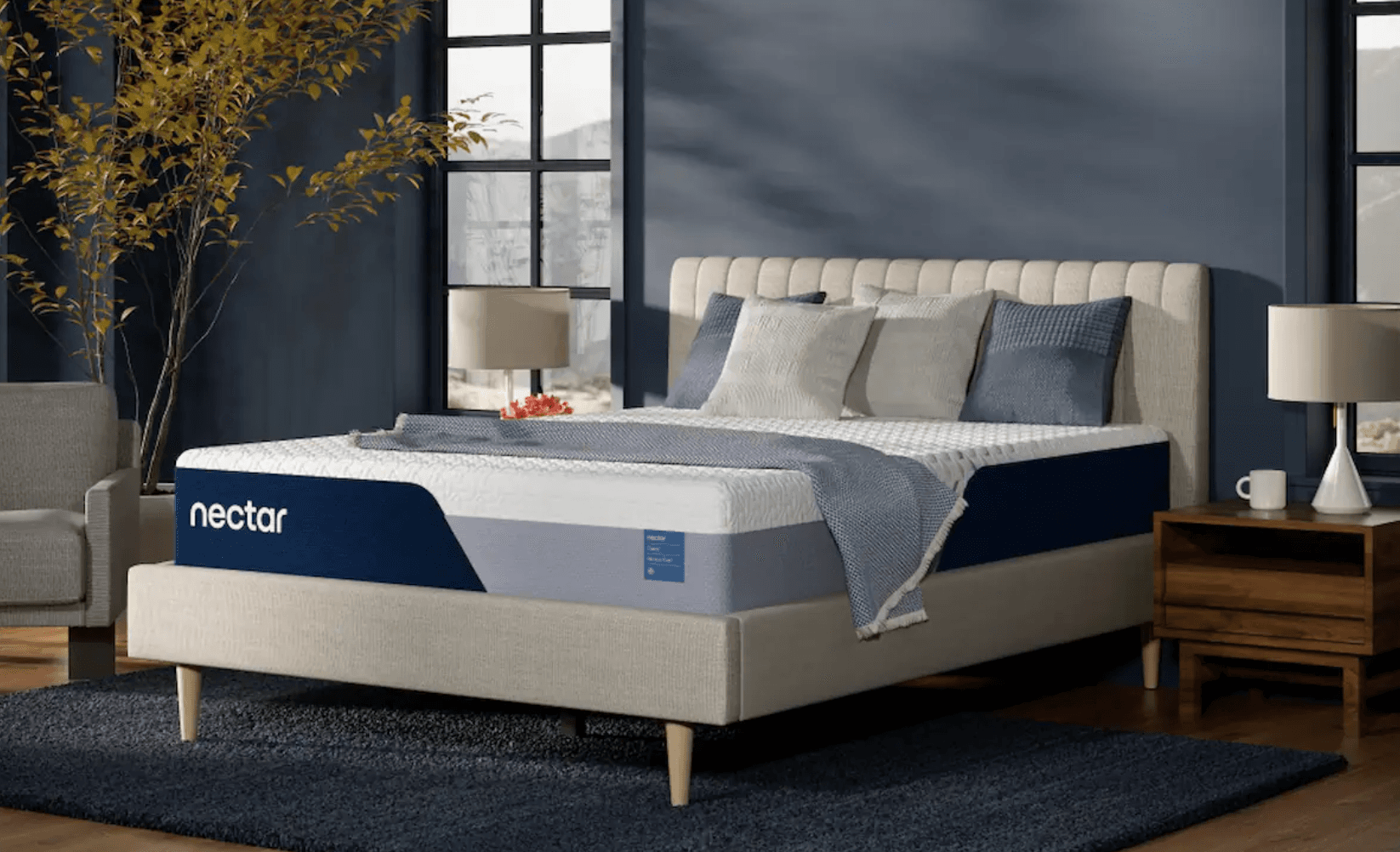
The strongest budget pick for side sleepers under $1,000. The thicker comfort layer (vs the base Nectar) provides genuinely better shoulder pressure relief at 27 mmHg. 365-night trial covers the adaptation window. The all-foam construction runs warm — pair with cooling sheets if you sleep hot.
$2,399
$1,799
Save 25%
Queen size
Why this for side sleepers
The strongest pick for side sleepers across body types. Zoned coil system delivers differentiated firmness — softer under shoulders for pressure relief, firmer under lumbar for alignment. Pressure tested at 26 mmHg at the shoulder, well under the 32 mmHg threshold. Edge support at 1.6 inches compression handles sleeping at the bed edge.

$1,374
$1,099
Save 20%
Queen size
$1,049
$689
Save 34%
Queen size
Still deciding?
Our quiz factors in sleep position, body type, partner, and budget — then matches you to the right mattress from our 13+ tested picks.
Free · No signup · 60 seconds