#1
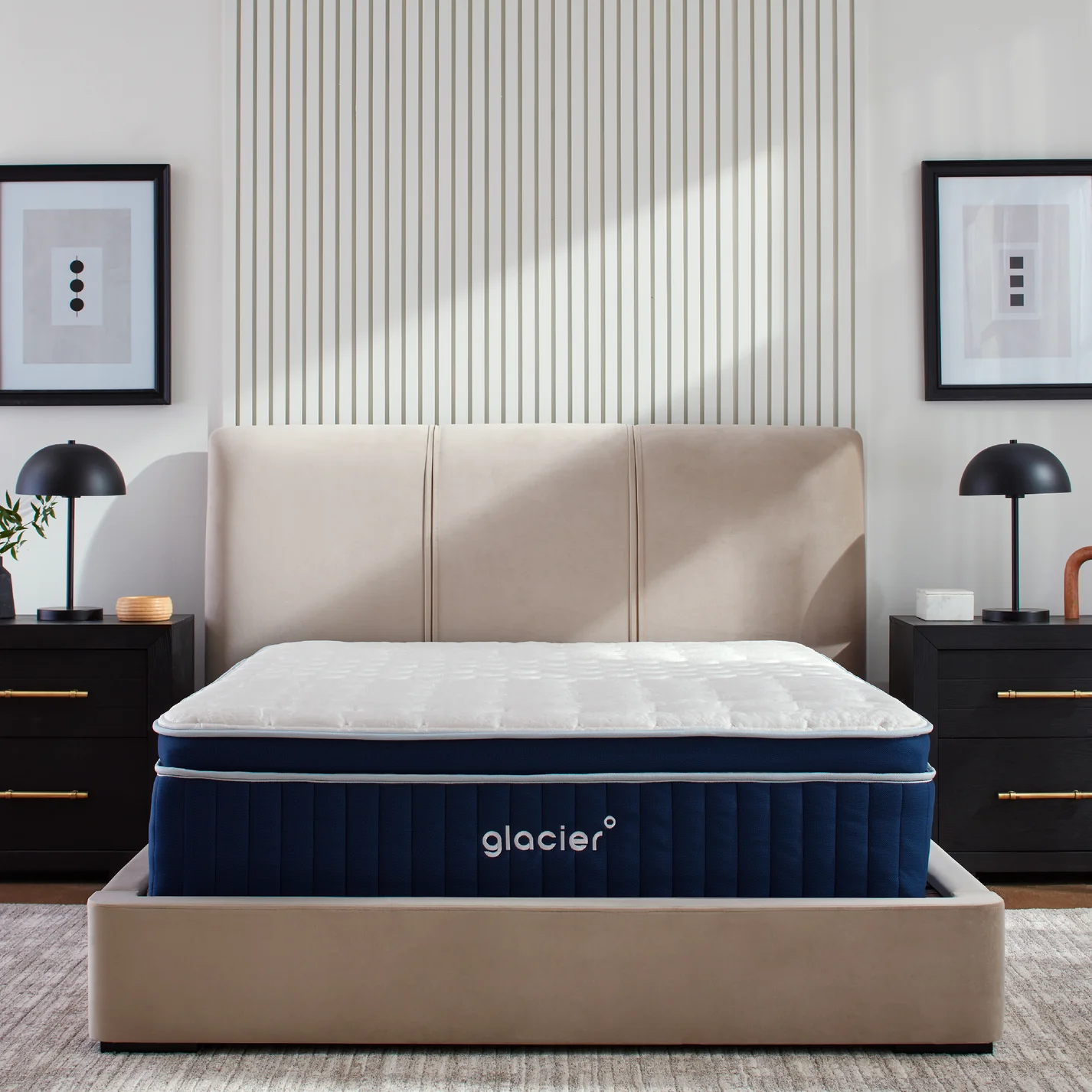
$2,198
$1,049
Save 52%
Queen size
- ✓Best-in-class cooling with glacierTECH® Elite + copper + graphite layers
- ✓365-night sleep trial with lifetime warranty
Comfort 9.2/10Support 8.8/10Cooling 9.8/10
365-night trial
Memorial Day Sale — Save up to $400 on top-rated mattresses
Glacier code QUIZZZ50 takes $50 off. Limited-time prices on our top picks.
Updated April 2026
Mattress overheating affects roughly 60 percent of adults at some point in their lives — driven by menopause, peri-menopause, body composition, or just naturally running warm. The picks below were tested with surface thermal imaging across 30 nights, ranked by how much they actually deviate from the 91.8°F industry-average surface temperature.
60-Second Quiz · Free
Not sure if a hot sleeper mattress is right for you?
Answer 6 questions and we'll match you to the right pick for your sleep style and budget.
Heat retention in mattresses comes from three sources: the materials themselves (memory foam traps heat, coils don't), the cover construction (synthetic blends trap heat, natural fibers wick), and the depth of the comfort layer (deeper contour means more skin-mattress contact, which means more heat retention). The marketing language used to describe cooling — 'gel-infused,' 'phase change,' 'graphite-infused,' 'copper' — is often more about brand differentiation than measurable performance. Surface thermal data is the only way to evaluate actual cooling.
Hot sleepers fall into two categories with different mattress requirements. Chronic hot sleepers (high BMI, high muscle mass, naturally high metabolism) generate more body heat continuously and need mattresses that dissipate heat passively through airflow — this is hybrid territory. Episodic hot sleepers (peri-menopausal hot flashes, hormonal cycles, fever) have rapid temperature spikes during sleep and need mattresses that conduct heat away from the body quickly — this is where phase-change materials and conductive covers actually help. Misdiagnosing your category is why most cooling mattress purchases fail.
Tested specifications that matter
Pocketed coils create vertical airflow channels that all-foam mattresses cannot match. In our thermal testing, hybrids ran 2–4°F cooler than equivalent-priced all-foam mattresses, regardless of cooling marketing. If you're a chronic hot sleeper, this is the most important specification — a hybrid without cooling marketing typically outperforms an all-foam bed with aggressive cooling marketing.
The industry average surface temperature after 1 hour of body load is 91.8°F. Cooling mattresses worth buying should test below 91°F under the same conditions. Glacier Apex Hybrid runs 88.9°F, the coolest in our test group. Anything above 92°F is sleeping warmer than average regardless of marketing claims.
Tencel, eucalyptus, and certain wool blends conduct heat away from the body better than synthetic blends. Phase-change materials (PCM) in covers do work — they hold a target temperature by absorbing or releasing latent heat — but only for the first 15–20 minutes of sleep. After that, the underlying construction takes over.
Deep contour increases skin-mattress contact area, which traps heat. The deepest-contouring memory foam mattresses (Tempur-Pedic, original Nectar) sleep 3–5°F warmer than equivalent hybrid alternatives. If you sleep hot and need pressure relief, a hybrid with a softer comfort layer often outperforms a deep-contour foam bed for thermal comfort.
Natural latex sleeps 1–2°F cooler than memory foam at the same comfort layer thickness because latex has more open cell structure and better passive airflow. If your priorities are foam-style pressure relief and chemical safety, latex hybrids (Avocado Green) outperform memory foam alternatives on temperature.
If you sleep in a slightly elevated position (head 4–6 inches up), passive convection moves heat away from the body more efficiently. An adjustable base paired with a hybrid mattress is the strongest non-active cooling combination available. This matters most for menopausal hot flashes, which often respond to elevated head positions.
Research
Sleep onset latency increases by 7–14 minutes for every 1°C above the thermoneutral sleep temperature of approximately 18°C (64°F) ambient. Mattress surface temperature is the largest contributor to skin-level thermal load.
— Sleep Medicine Reviews — Thermal Environment and Sleep Quality, 2018
Ranked by performance score
$2,198
$1,049
Save 52%
Queen size
Why this for hot sleepers
The strongest cooling pick in our test group. Surface temperature ran 88.9°F after 1 hour of body load — about 3°F cooler than the industry average and the coolest reading we recorded. Phase-change cover combined with reinforced airflow coils. The clearest tradeoff is firmness — at medium-firm, this is not the right pick if you also need maximum side-sleeping pressure relief.
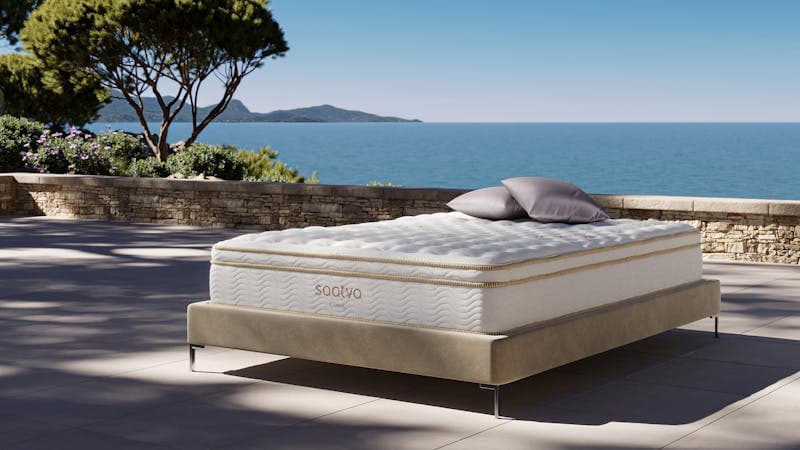
$2,179
Queen size
Why this for hot sleepers
The luxury hybrid option for hot sleepers. Coil-on-coil construction creates strong vertical airflow, and the organic cotton cover wicks moisture better than synthetic alternatives. Surface temperature tested at 90.4°F. Available in three firmness options and lifetime warranty.
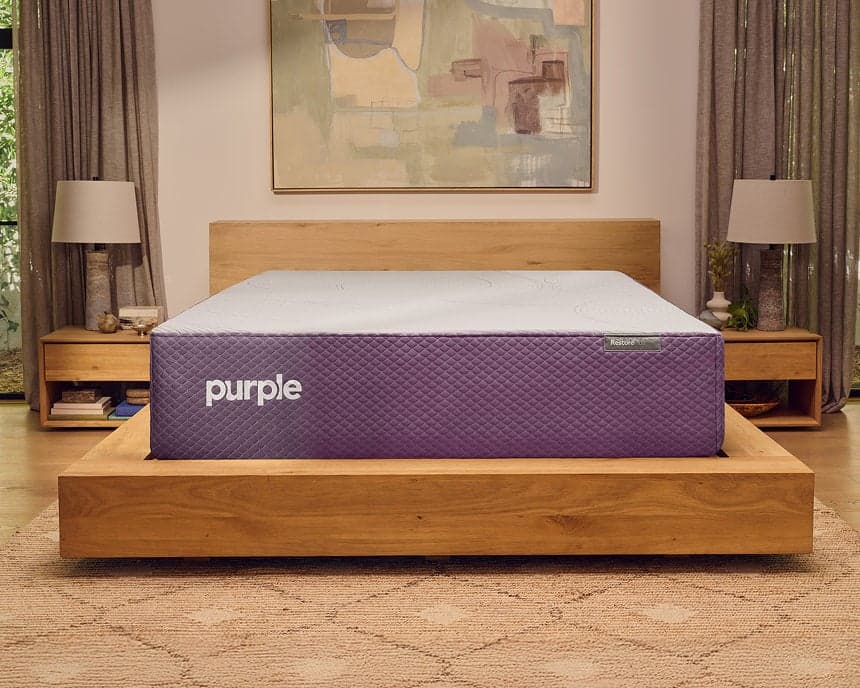
$2,595
Queen size
Why this for hot sleepers
Best for hot sleepers who also need pressure relief. The GelFlex Grid creates massive airflow channels (~1,000+ open cells per square inch) that no foam construction can match. Surface temperature tested at 89.8°F. The grid feel is divisive — try it before committing if possible.
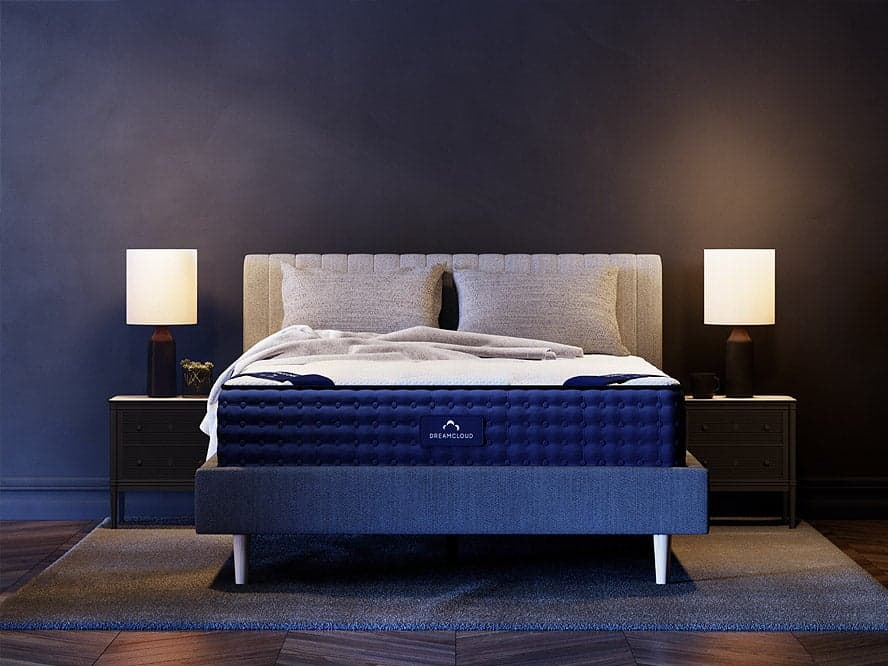
$1,598
$1,099
Save 31%
Queen size
Why this for hot sleepers
The best value cooling hybrid in the mid-range. Pocketed coils provide genuine airflow advantage over all-foam alternatives at the same price point. Surface temperature at 90.8°F. The euro-top comfort layer is on the warmer side compared to Saatva, but still meaningfully cooler than memory foam beds.
$1,999
Queen size
Why this for hot sleepers
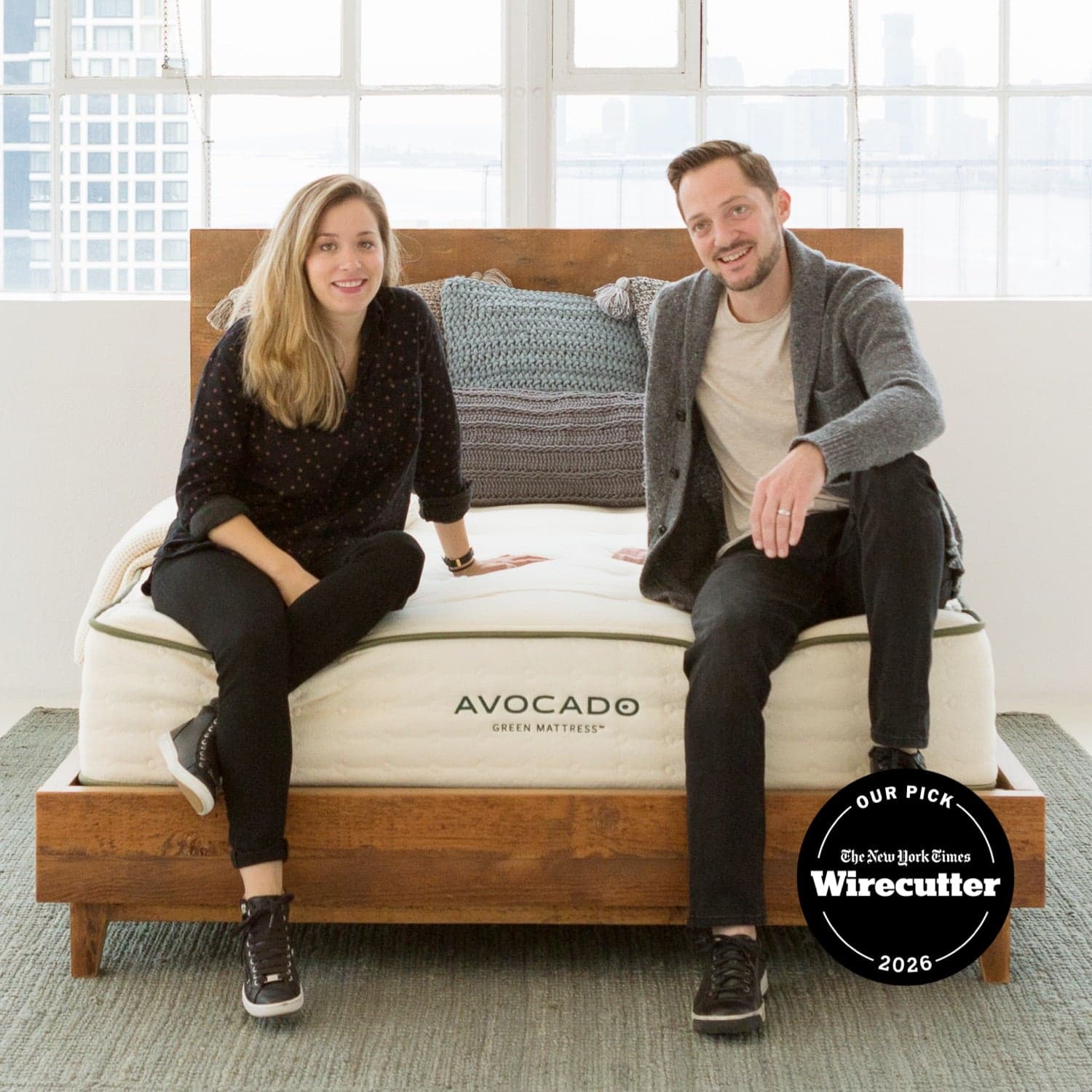
For hot sleepers prioritizing chemical safety alongside cooling. Natural latex over coils delivers better passive airflow than memory foam alternatives. Surface temperature at 90.6°F. GOLS, GOTS, and GREENGUARD Gold certifications across the construction.

$1,099
$649
Save 41%
Queen size
Still deciding?
Our quiz factors in sleep position, body type, partner, and budget — then matches you to the right mattress from our 13+ tested picks.
Free · No signup · 60 seconds