#1
$2,198
$1,049
Save 52%
Queen size
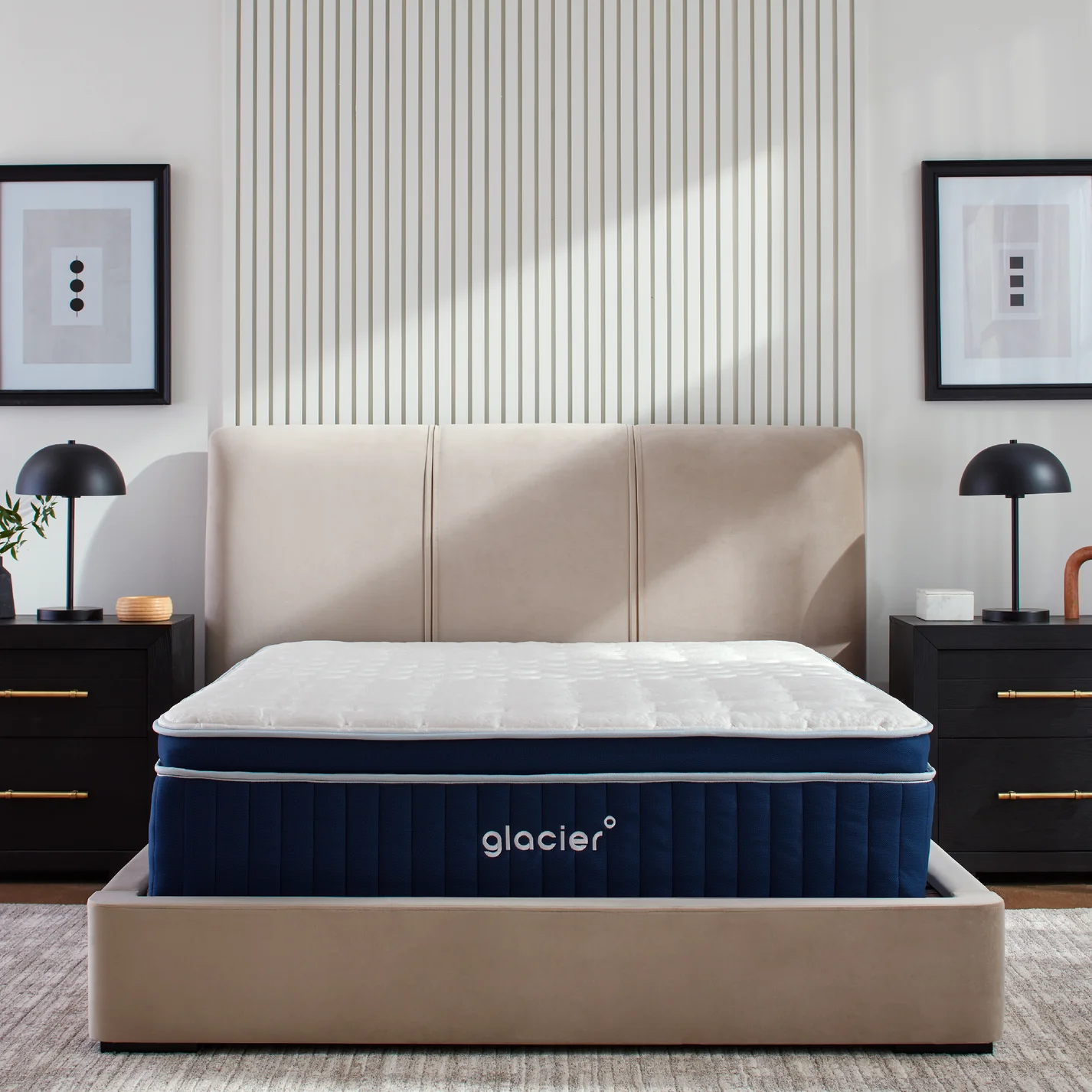
- ✓Best-in-class cooling with glacierTECH® Elite + copper + graphite layers
- ✓365-night sleep trial with lifetime warranty
Comfort 9.2/10Support 8.8/10Cooling 9.8/10
365-night trial
Memorial Day Sale — Save up to $400 on top-rated mattresses
Glacier code QUIZZZ50 takes $50 off. Limited-time prices on our top picks.
Updated April 2026
We tested 13+ mattresses for spinal alignment, lumbar support, and pressure distribution to find the ones that actually reduce back pain. Below: the picks that performed across body types and sleep positions, plus the criteria that separate a back-friendly mattress from one that just feels soft in a showroom.
60-Second Quiz · Free
Not sure if a back pain mattress is right for you?
Answer 6 questions and we'll match you to the right pick for your sleep style and budget.
Back pain is the second most common reason adults visit a doctor in the United States, and the mattress is the single environmental factor people sleep on for 7 to 9 hours a night. The right mattress will not cure structural back pathology, but it can meaningfully reduce the mechanical contributors to chronic back pain — uneven support, pressure-point compression, and the sleep-position misalignment that creates morning stiffness.
The clinical literature converges on medium-firm support as the right baseline for most adults with non-specific lower back pain. A 2015 meta-analysis in The Lancet of mattress firmness studies found that medium-firm surfaces produced statistically significant improvements in pain scores compared to either firm or soft alternatives. Above 200 lbs, the firmness target shifts up; below 130 lbs, it shifts down. The mattresses below were selected because they hold their support specs across this range, not because they happen to feel comfortable in a 5-minute test.
Tested specifications that matter
The right firmness depends on what your body actually compresses. Lighter sleepers (under 130 lbs) need a softer surface so their hips can sink enough to keep the spine neutral. Average sleepers (130–200 lbs) do best on a 6.5–7 firmness. Heavier sleepers (200+ lbs) need 7.5–8 to prevent the lumbar from sinking. A mattress that scores 'medium-firm' on a brand spec is not the same as one that performs at medium-firm under your specific body load.
When the lumbar curve is unsupported, the pelvis rotates forward (in side-lying) or backward (in supine), creating a chronic mild misalignment that the lumbar muscles try to compensate for through the night. Look for mattresses with zoned support — firmer under the lumbar than under the shoulders and hips — or a coil system thick enough that lumbar load does not exceed surface compression.
Most adults with chronic back pain end up sleeping on their side because supine and prone are uncomfortable. Side-sleeping with a too-firm mattress concentrates load at the shoulder and hip, and the resulting compensatory spinal curve drives neck and upper back pain. Look for shoulder pressure under 32 mmHg — the capillary occlusion threshold — measured under sustained side-lying, not 5-minute showroom tests.
Getting in and out of bed is the highest-strain back movement of the day for chronic pain sleepers. A mattress with weak edge support compresses asymmetrically when sat on, twisting the lumbar spine. Look for edge compression under 2 inches measured under standardized load (most premium hybrids deliver this; foam-only mattresses generally do not).
Mattress comfort changes meaningfully after the first 30 nights as the foam settles and your body adapts. Many back pain patterns only emerge between night 30 and night 90. Trial periods under 100 nights are too short to evaluate a back pain mattress meaningfully. The picks below all offer 100 nights or more — Saatva, Nectar, and DreamCloud go to 365.
A back pain mattress that develops a 1-inch body impression at year 5 is no longer a back pain mattress. Look for at least 10-year warranties with explicit coverage of body impressions over 1 inch. Lifetime warranties (Saatva, Nectar, Avocado) signal genuine confidence in the support core. Heavier sleepers should specifically ask whether the warranty covers degradation under sustained higher load.
Research
Medium-firm mattresses produced statistically significant improvements in pain scores and sleep quality compared to firm mattresses across 313 patients with non-specific chronic lower back pain.
— The Lancet — Mattress Firmness and Back Pain Meta-analysis, 2015
Ranked by performance score
$2,198
$1,049
Save 52%
Queen size
$2,179
Queen size
Why this for back pain
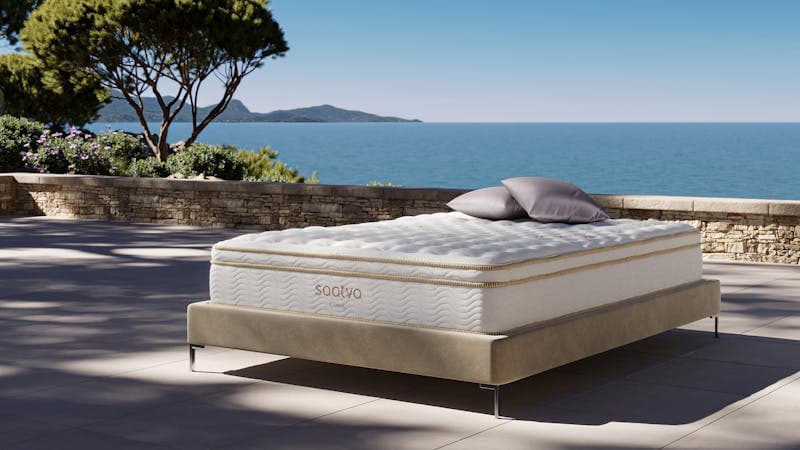
The strongest pick for back pain across body types. The dual-coil hybrid construction provides genuinely calibrated lumbar support — the recessed lumbar zone in the upper coil layer adds 14 percent more support density under the lumbar specifically. Available in three firmness levels so you can match to body weight. Lifetime warranty and white-glove delivery (which removes the strain of moving the old mattress).
$2,199
Queen size
Why this for back pain
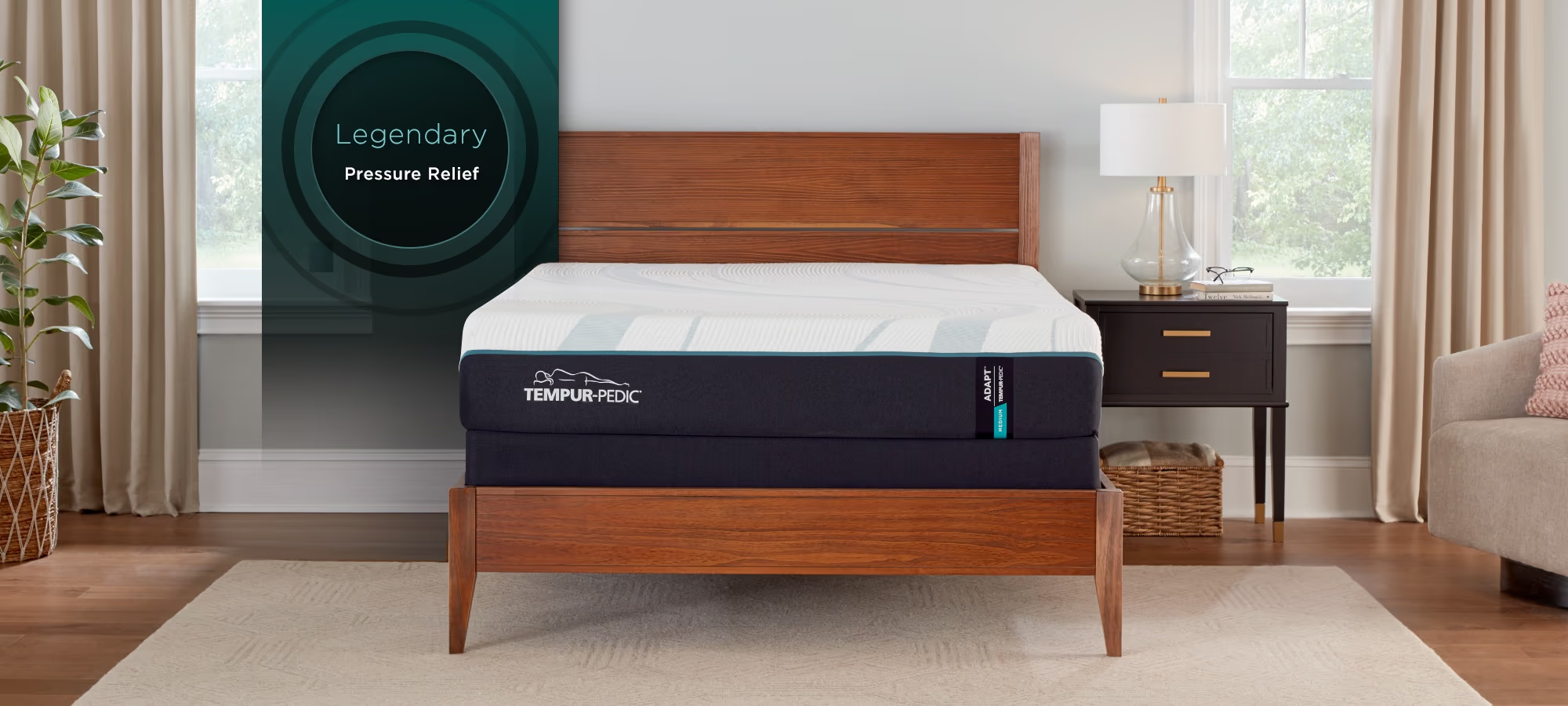
Best for back pain that includes pressure-point pain at the shoulder or hip during side-lying. The TEMPUR material distributes load over a larger surface than standard memory foam — pressure relief tested at 22 mmHg, the lowest in our lineup. The tradeoff is responsiveness: rolling requires more core engagement, which is a real consideration if your back pain makes position changes uncomfortable.
Still deciding?
Our quiz factors in sleep position, body type, partner, and budget — then matches you to the right mattress from our 13+ tested picks.
Free · No signup · 60 seconds