Best Mattress for Back Pain in 2026
After a herniated disc diagnosis, I spent months testing mattresses for back pain. Here's what actually works and what to avoid.
I'll be honest about where this guide comes from. I got diagnosed with herniated discs in my lower three lumbar vertebrae (L3, L4, L5) and for a long stretch after that I could not find a mattress that didn't make things worse by morning. I tried everything people online suggested. Firm mattresses, soft mattresses, foam toppers, sleeping on the floor for a week. Nothing worked until I actually understood what I was looking for and why.
That experience is what this guide is built on.
The firmness thing is more complicated than people say
Most guides will tell you to get a medium-firm mattress for back pain and call it a day. That's not wrong exactly, but it skips the part that actually matters: firmness and support are not the same thing.
A mattress can feel firm and still let your hips sag into it over a few hours. A medium mattress can have a core that keeps your spine aligned even when you're deep in it. What you actually need is the right support structure underneath, not just a surface that feels a certain way when you first lie down.
Common myth: "Firmer is always better for back pain." Too firm creates a different problem. You end up with direct pressure on nerve-involved areas like sciatica and disc injuries. I bought a "therapeutic firm" mattress that I had to return after two weeks because I was waking up in more pain than before.
What sleep position changes about this
Side sleepers with back pain are in a tricky spot. You need the mattress to give at your shoulder and hip so the spine stays level, but not so much that your hip drops and your lower back bends. Medium to medium-soft usually works. Going too firm means those pressure points start pushing your spine out of alignment.
Back sleepers have it a little easier. Medium-firm is generally the call. You want some support under the lumbar region but not a surface that pushes up into it. A slight contour there actually feels better than dead flat.
If you're a stomach sleeper dealing with back pain, the position itself is rough on your spine regardless of what you're sleeping on. But if you can't change it, go firm. A soft mattress lets your hips sink and creates a lower back arch that compounds over eight hours.
Which type of mattress actually works
| Type | Good for back pain? | Why |
|---|---|---|
| Hybrid (foam + coils) | Best for most | Real structural support + pressure relief at pain sites |
| Latex | Excellent | Responds immediately, no progressive sinking, sleeps cool |
| Memory foam | Conditional | Great pressure relief but sinks deeper as night goes on |
| Innerspring (quality) | Good if built right | Saatva-style coil-on-coil with lumbar bar is a real exception |
| Cheap innerspring | Avoid | Creates pressure points right where you don't want them |
| All-foam (budget) | Avoid | Sags within 1-2 years, alignment problems develop over time |
Hybrids are what I'd recommend for most people with back pain. You get real structural support from the coil system at the base, and the foam or latex on top handles pressure distribution at the actual pain sites.
Latex is probably the best material for back pain if you can spend the money. It responds immediately rather than slowly conforming like memory foam, so you don't get that progressive sinking effect. It sleeps cooler and lasts longer too.
Research: A medium-firm mattress significantly reduced chronic non-specific low back pain and disability compared to a firm mattress in a randomized controlled trial of 313 adults, with improved sleep quality as a secondary outcome. (Kovacs FM, The Lancet, 2003)
What we recommend
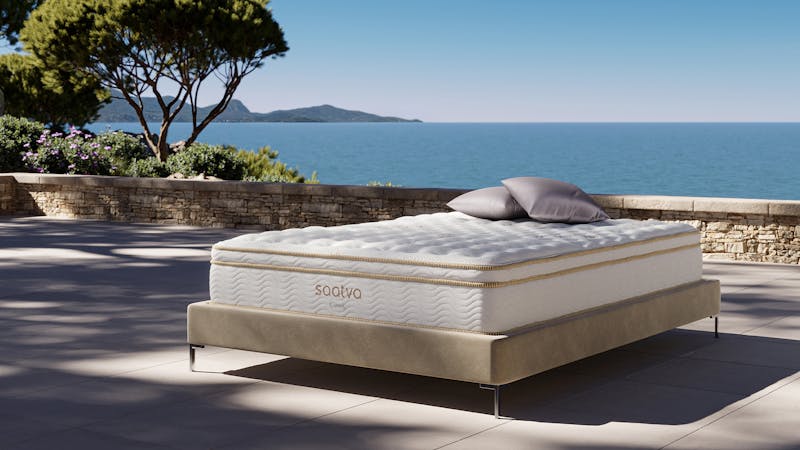
This is what I sleep on now. The lumbar support bar is not a marketing phrase. It's a physical steel bar that prevents the center of the mattress from developing the sag that makes lower back pain worse over time. Get the Luxury Firm option. Plush Soft is too soft for most back pain situations and Firm is too rigid for side sleepers.
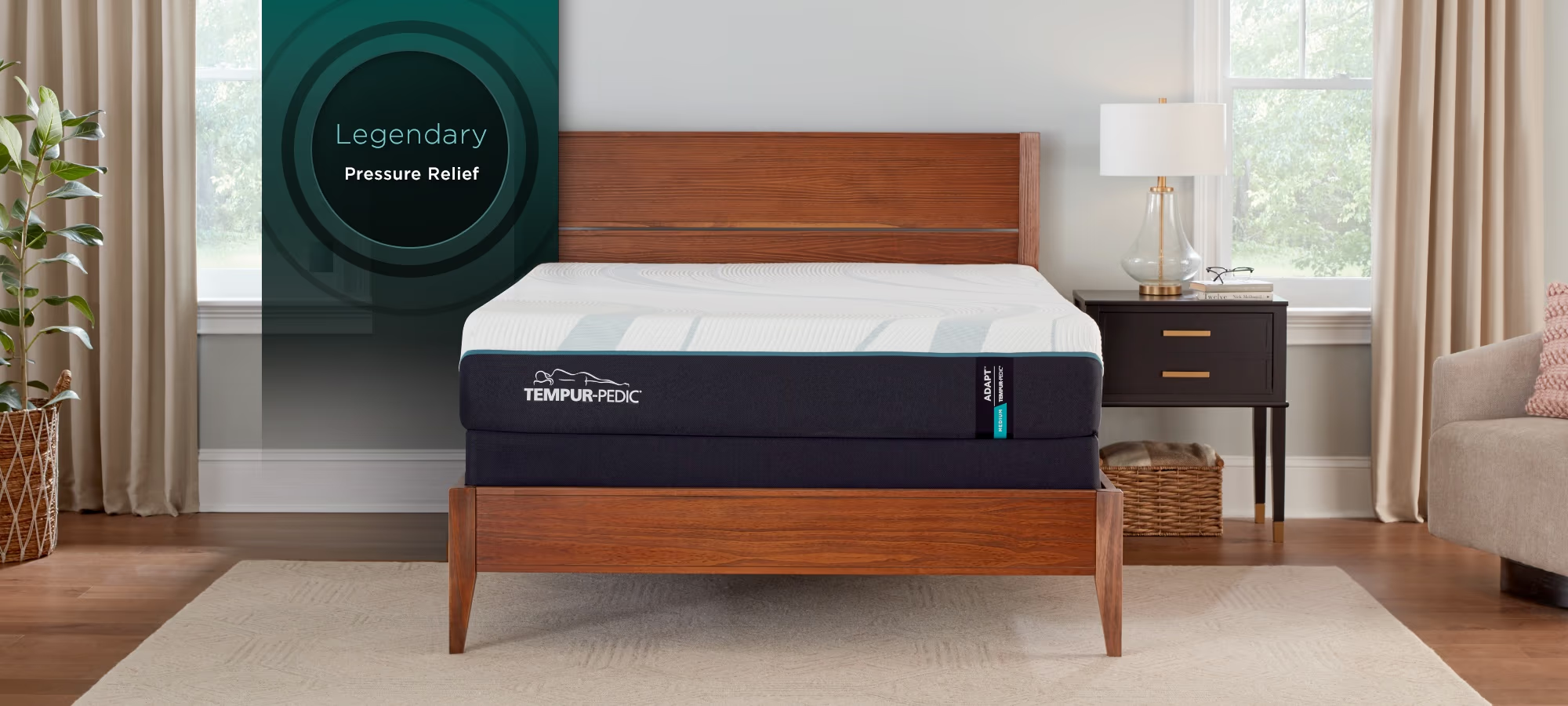
If your main problem is nerve pain rather than structural alignment (sciatica, radiating pain down the leg) the TEMPUR material is worth its price. It distributes weight differently than other foams. Less direct pressure on the specific points that are causing you pain.
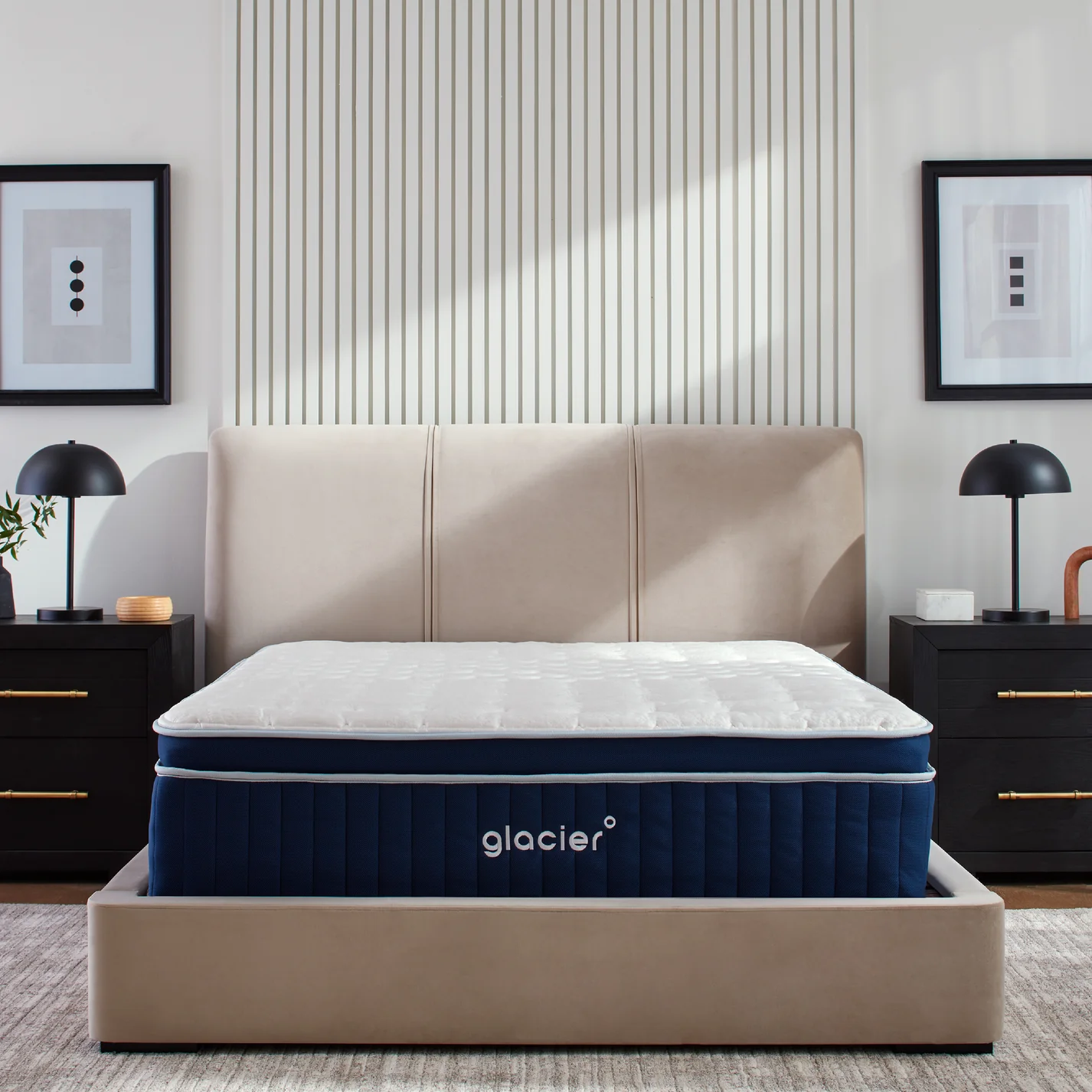
Seven distinct zones of firmness: softer under the shoulders, firmer under the hips and lumbar. For combination sleepers who move around a lot, this one holds up across positions better than most.
One thing worth doing first
If you have an actual diagnosis (herniated disc, spinal stenosis, sciatica, anything specific) talk to your physical therapist before you spend $1,500 on a mattress. They can tell you which areas need more support and which need more pressure relief. That information makes the choice a lot less of a guess.
The right mattress doesn't fix back pain. But the wrong one genuinely makes it worse, and finding the right one changes how you wake up in a way you notice immediately.
Full ranked list
Best Mattress for Back Pain
See every mattress we tested for back pain, ranked by performance score.
Top Picks for Back Pain
See full list →Ranked by test data
Not sure which mattress is right for you?
Take our 60-second quiz and we'll match you with the best options for your sleep style and budget.
Take the Free Quiz →