Best Mattress for Toddlers (2026): The Crib-to-Bed Transition Guide
The transition out of the crib is one of the most important sleep changes in a child's first five years. Here is what to look for in a toddler mattress and which models deliver safety, durability, and the breathability a small child actually needs.
The transition from crib to toddler bed typically happens between ages 18 months and 3.5 years, depending on the child's height, mobility, and readiness. The mattress decision for this phase is different from any other in childhood. The child is small (usually 25 to 40 lbs), has limited motor control over rolling and position changes, and is still very vulnerable to chemical off-gassing and overheating. Accidents are constant — most toddlers are still in nighttime training pants — and the mattress will be moved, flipped, and stripped repeatedly.
Most parents handle this in one of two ways: keep the crib mattress and move it to a toddler bed frame, or buy a new twin mattress that the child will use through age 7 or 8. Both can be the right answer depending on budget and timing. What matters more than the choice is matching the mattress to the actual sleep risks at this age — overheating, accidents, and the still-developing spine.
When to make the transition
There is no single correct age. The signals that suggest a child is ready:
Climbing out of the crib. Once a child has learned to climb the rails, the crib becomes more dangerous than the toddler bed. Make the change.
Reaching 35 inches in height. Most cribs are rated to this height — beyond it, the child is likely to fall over the rail.
Toilet training is starting. Easier access to a low bed makes overnight bathroom independence more achievable. This is a meaningful milestone for many parents.
A new sibling is coming. The transition out of the crib is easier for the older child if it happens at least 6 to 8 weeks before the new baby arrives, so they do not perceive the move as displacement.
The transition is rarely linear — most kids regress for a few weeks, want the crib back, or have sleep disruptions for a month or two. This is normal and not a sign that the mattress or bed is wrong.
What changes vs an older child's mattress
A toddler mattress prioritizes different things than a school-age mattress. Specifically:
Breathability over comfort layer depth. Toddlers do not have the developed temperature regulation that older children have, and an overheated sleep environment is associated with both poor sleep and (in younger toddlers) elevated SIDS-adjacent risks. Look for breathable cores: innerspring, hybrid, or natural latex. Avoid thick memory foam comfort layers at this age.
Lower profile. Toddler beds and floor beds work best with a thinner mattress (4 to 6 inches). Thick adult-style mattresses sit too high and create fall risk.
Waterproof everything. Not just the cover. The best toddler mattresses have waterproof or fully encased construction, so accidents do not soak into the foam core where they cannot be cleaned. If the cover is not waterproof, you need a waterproof protector that genuinely seals the mattress.
Less aggressive firmness. Unlike school-age kids who benefit from medium-firm, toddlers do better on a true medium. Their lower body weight does not compress firmer surfaces meaningfully, and sleep alignment is less of an issue at this age than thermal comfort and accident management.
Common misconception: "A toddler can keep using the crib mattress on a toddler bed indefinitely." Most crib mattresses are designed for the SIDS-mitigation firmness of the first 12 months. Once a child is over 18 months and over 25 lbs, the crib mattress is technically still safe but progressively less comfortable. The firmness level appropriate for an infant is meaningfully too firm for a 3-year-old. Most parents who keep the crib mattress for the toddler phase find their child requesting changes by age 2.5 to 3.
Floor bed vs toddler bed vs twin
Three setups are reasonable for the toddler phase. The choice depends on parenting philosophy, room layout, and how soon you plan to upgrade.
Floor bed (Montessori-style). A twin or full mattress directly on the floor, no frame. The advantage is that the child can get in and out independently, which supports the autonomy phase of toddlerhood. The disadvantage is that it requires a clean, draft-free floor and works best on hard surfaces — not carpet over concrete.
Toddler bed. A small frame designed for a crib mattress, typically with low side rails. The advantage is using your existing crib mattress for another year or two before buying a new one. The disadvantage is the short lifespan — most kids outgrow toddler beds by age 4 or 5.
Direct-to-twin. Skip the toddler bed entirely and put the child in a twin with a guardrail. The advantage is buying one mattress that lasts through age 8 or longer. The disadvantage is the higher upfront cost and the larger surface for a small child to navigate.
The math usually favors direct-to-twin if the child is 3 or older at the transition, and toddler bed (using the existing crib mattress) if the child is under 2.5.
The waterproof cover is the highest-impact specification: A waterproof, removable, machine-washable cover is the single feature that determines whether the mattress survives the toddler phase. Mattresses without waterproof construction develop staining and odor by age 3 in nearly all cases, regardless of how careful the family is. If the mattress you are considering does not specify a waterproof cover or a waterproof core encasement, plan to buy a separate waterproof protector — and verify it stays sealed during washing.
What to skip at this age
Pillow-top construction. Designed for adult pressure points; on a toddler's small frame, the pillow-top compresses unevenly and creates a less stable surface.
Deep-contouring memory foam. The contour effect that adults find supportive can feel restrictive for a toddler trying to roll over independently — and can trap heat, which is a real concern at this age.
Adjustable firmness mattresses. A nice idea in theory, but the toddler phase is too short to benefit from firmness adjustments. By the time you would adjust, the child has aged out of the toddler bed.
Used or hand-me-down mattresses with unclear history. Foam mattresses can develop hidden mold inside the core after exposure to moisture; if you cannot verify the history, do not use it for a toddler. The exception is recent (under 12 months) mattresses from family with documented care history.
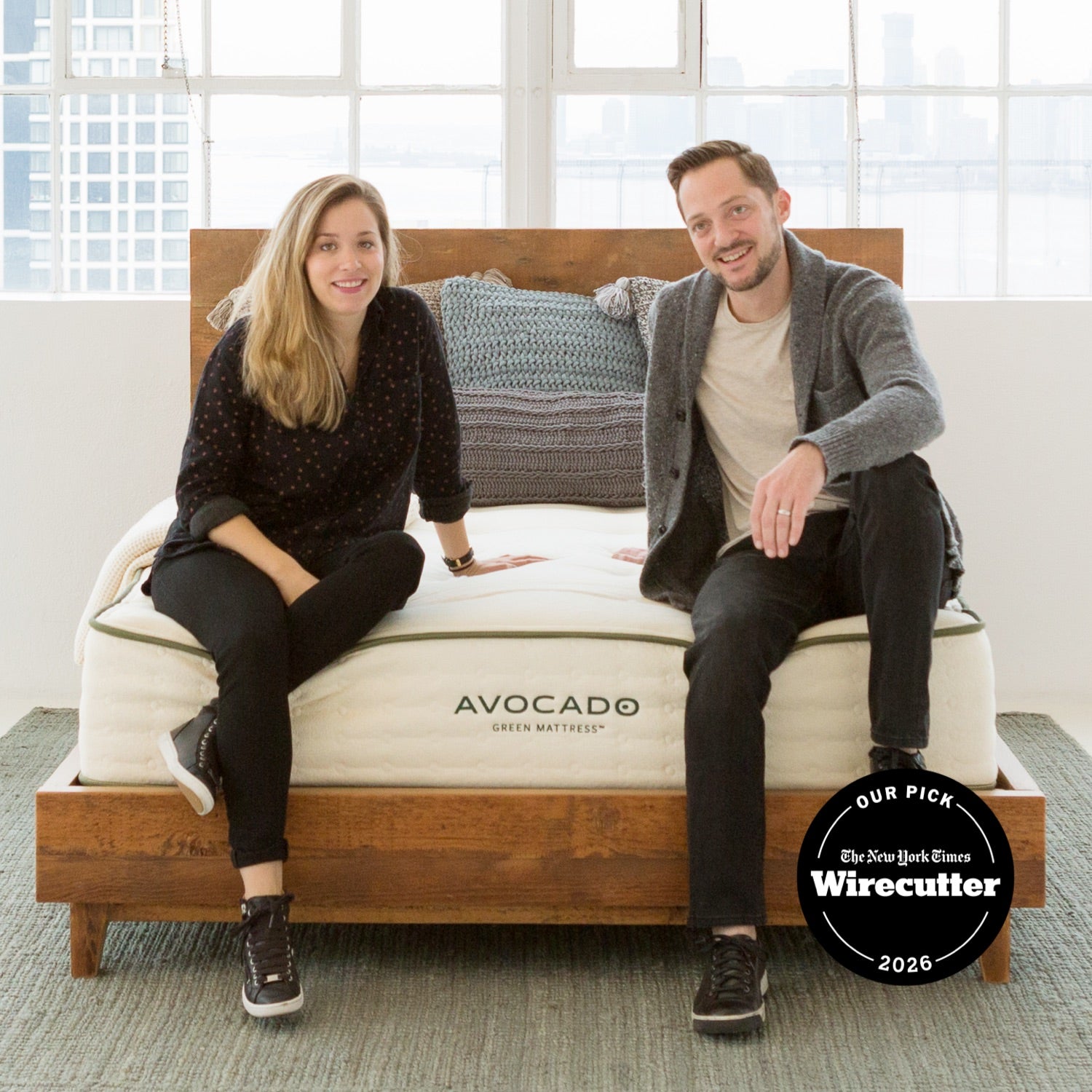
The most defensible pick for a toddler mattress at any price point. GOLS-certified organic latex, GOTS-certified organic cotton and wool, GREENGUARD Gold certification, and a removable washable organic cotton cover make this the chemical-safety leader for the age range. The natural latex core provides excellent breathability — meaningfully cooler than memory foam alternatives, which matters for toddlers who overheat easily. The medium feel is well-calibrated for the under-50-lb sleeper. The 25-year warranty extends well past the toddler phase, making this a defensible long-term purchase even for a child still in pull-ups.
For parents going direct-to-twin and prioritizing durability, the Saatva Classic is the longest-lived option in the kids' market. The dual-coil hybrid construction holds up to jumping and active toddler use better than all-foam alternatives, and the lifetime warranty covers the realistic ownership window through to age 12 or beyond. We recommend the Plush Soft firmness for toddlers under 50 lbs. The clearest tradeoff is profile — at 11.5 inches, this is too tall for low-profile toddler bed frames, so it works best with a standard twin frame and guardrail.
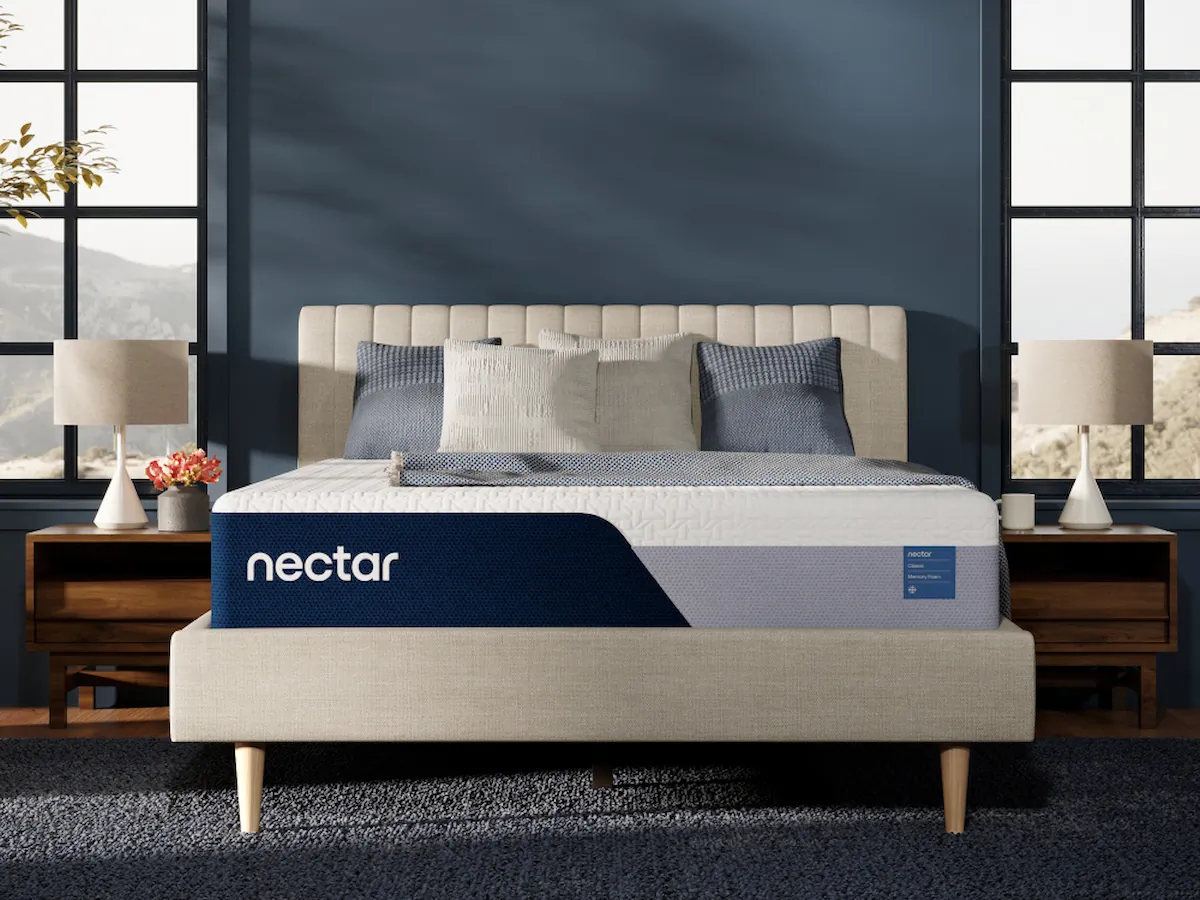
The strongest budget pick for parents who want certified materials without the premium spend. CertiPUR-US foam, 365-night trial, and lifetime warranty deliver real value at well under $700 for a twin on sale. The medium-firm feel is on the firmer side of what we recommend for toddlers, so it works best for kids 30 lbs and up. The clearest limitation is heat — memory foam runs warmer than hybrid alternatives, which is a real concern for the under-3 sleeper. Pair with a moisture-wicking sheet and a waterproof protector.
For families upgrading from a crib mattress directly to a longer-term twin, the DreamCloud delivers hybrid construction at a price point most all-foam alternatives sit above. The pocketed coil base provides genuinely better airflow than foam-only beds — which matters more for toddlers than for adults. The medium-firm feel is appropriate for kids over 35 lbs. The 365-night trial gives you a full year to evaluate whether the mattress is working as the child grows. CertiPUR-US foam, OEKO-TEX cover.
Related Reading
Compare top picks side by side →Full ranked list
Best Mattress for Kids
See every mattress we tested for kids, ranked by performance score.
Top Picks for Kids
See full list →Ranked by test data
Not sure which mattress is right for you?
Take our 60-second quiz and we'll match you with the best options for your sleep style and budget.
Take the Free Quiz →