Best Mattress for Kids (2026): Safe, Supportive Picks for Every Age
A child's mattress shapes how they grow, sleep, and recover. Here is what actually matters when you buy one — chemical safety, firmness for developing spines, and which models hold up to the wear of a real childhood.
Buying a mattress for a child is not the same problem as buying one for an adult. Children spend 9 to 11 hours a night on the surface during their fastest periods of physical growth, their developing immune systems are more sensitive to chemical off-gassing, and their bodies need different support than the medium-firm consensus that works for most adults. The right mattress changes as they age — what is correct for a 3-year-old transitioning out of a crib is wrong for a 12-year-old whose bones are mineralizing.
The mattress industry markets to parents with a lot of fear-based language and not much science. The actual purchase decision comes down to four things: chemical certifications, firmness appropriate for the child's weight and age, durable construction that survives jumping and accidents, and warranty coverage that covers the realistic 6 to 10 years a kid will use the same bed.
Firmness for kids: why softer is not better
The instinct most parents have is that a softer mattress is more comfortable for a small child. The clinical evidence runs the other way. Children's spines are more flexible than adult spines, with cartilage that has not fully ossified into bone until late adolescence. A surface that is too soft lets the heavier areas of the body — the hips for a side sleeper, the upper back for a back sleeper — sink unevenly, creating a chronic mild misalignment over thousands of hours of sleep.
The American Chiropractic Association recommends medium-firm surfaces for children specifically because the firmer support keeps the spine in a neutral position regardless of how the child rolls or shifts during the night. Children change positions far more than adults — typical kids shift between 9 and 13 times per hour, compared to 2 to 4 times for adults. A responsive medium-firm surface accommodates that movement without trapping them in a sinkhole.
The exception is for very small children (under 50 lbs) who do not exert enough pressure to compress a firm mattress meaningfully. For these kids, a medium feel is appropriate. By age 7 to 8 — typically 60+ lbs — medium-firm becomes the right baseline.
Chemical safety: what the certifications actually mean
The certifications that matter, in descending order of strictness:
GREENGUARD Gold — the most rigorous. Tests for over 10,000 chemicals and limits VOC emissions to levels safe for sensitive populations including children and the elderly. If your child has asthma, allergies, or chemical sensitivities, this is the certification to require.
CertiPUR-US — a foam-specific certification. Confirms the foam contains no formaldehyde, mercury, lead, ozone-depleters, or PBDE flame retardants, and that emissions are below 0.5 parts per million. This is the minimum reasonable bar for any mattress in a child's bedroom.
OEKO-TEX Standard 100 — covers fabrics and textiles. Confirms the cover and quilting materials are free of harmful substances. Important if your child has skin sensitivities or eczema.
GOLS / GOTS — the highest bar for organic latex (GOLS) and organic cotton/wool (GOTS). Required for the "organic" claim to be meaningful. Avocado Green and similar mattresses carry these.
What does not constitute meaningful certification: marketing language like "non-toxic," "low-VOC," or "natural" without an associated certification number. These are unregulated terms and provide no assurance.
Common misconception: "All foam mattresses off-gas dangerous chemicals." The truth is more nuanced. CertiPUR-US foam typically off-gasses below detectable levels within 72 to 96 hours of unboxing, and the residual VOCs are below thresholds set for hospital nurseries. The genuine concern is uncertified foam from unverified sources — typically very cheap import-branded mattresses sold on third-party marketplaces. A certified foam mattress from an established brand is safe for a child's bedroom after a brief airing-out period.
What changes by age: a practical framework
Toddlers (2–4): Transitioning from a crib mattress, often into a toddler bed using the same crib mattress before upgrading to a twin. At this age, breathability matters more than firmness sophistication. Look for waterproof covers and machine-washable layers — accidents are constant. Medium feel is appropriate.
School-age (5–10): The longest single mattress phase. A twin or twin-XL will serve from around age 5 through age 12 in most cases. This is where firmness becomes important — medium-firm is the target. Durability matters because kids jump on beds, eat in them, and sleep diagonally. Look for a 10+ year warranty and reinforced edge support.
Pre-teens and teens (11–17): Often the time to upgrade to a full or queen as growth spurts make a twin uncomfortable. By this age, pressure relief becomes more important — adolescent body composition is closer to adult, and a too-firm surface can cause shoulder and hip discomfort for side sleepers. A zoned hybrid often performs best for this age range.
Buy for two phases, not three: Most parents cycle through three mattresses — crib, toddler/twin, and a pre-teen upgrade. With a more durable twin-size mattress (10-year warranty, hybrid construction, quality materials), you can typically skip a phase and go from crib mattress directly to a longer-lasting kids' twin that lasts from age 4 to age 12. The math usually favors buying a better twin once over buying two cheaper twins.
What to avoid in a kids' mattress
Cheap polyfoam from unverified sources. Mattresses under $200 from unknown brands typically use foam below 1.0 lb/ft³ density that lacks meaningful certification. These develop body impressions within 6 to 12 months and may have higher VOC emissions.
Pillow-top construction at this age. Pillow-tops are designed for adult body weights and pressure profiles. On a child's lighter frame, the pillow-top fails to compress properly, creating an uneven sleep surface. Save pillow-tops for the next bed.
Memory foam with strong contour. While appropriate for some adults, deeply contouring memory foam can feel restrictive for kids who shift positions frequently. Responsive surfaces (latex or hybrid) typically suit children better.
Inflatable or air-fill mattresses for daily use. These are fine for guest sleeping but not for nightly use by a developing child — the support varies night-to-night based on temperature and inflation level.
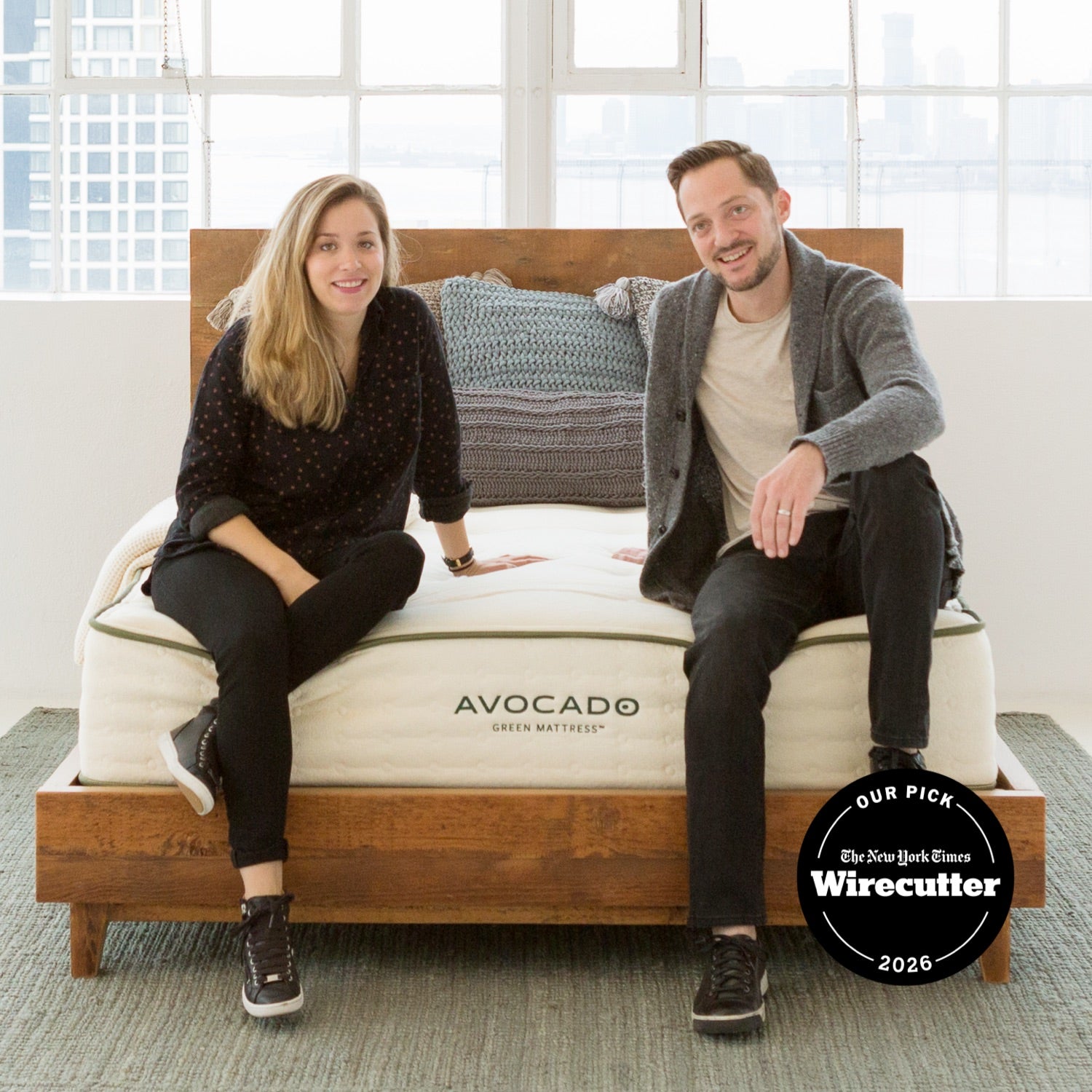
The strongest pick for chemical safety. GOLS-certified organic latex, GOTS-certified organic cotton and wool, and GREENGUARD Gold certification across the board. The medium-firm feel is well-suited to school-age children, and the natural latex construction provides the responsive support that suits kids who shift positions frequently. The 25-year warranty is the longest in the kids' segment, and the construction is durable enough to genuinely last that long. The clearest tradeoff is price — at the premium end of kids' options — but for parents prioritizing chemical safety or kids with allergies and asthma, this is the most defensible choice in the market.
The luxury option for older kids and teens. The dual-coil hybrid construction provides genuine support that holds up under jumping, the lifetime warranty covers the realistic ownership window for any child or teen, and the option to choose firmness (Plush Soft / Luxury Firm / Firm) lets you pick appropriate support. We recommend Luxury Firm for kids over 50 lbs. White-glove delivery means the old mattress goes away the same day. For families investing in a single high-quality bed that will last from age 7 to college, this is the most durable choice. CertiPUR-US foam meets the chemical bar.
The best hybrid value for kids and teens. Eight-layer hybrid construction with pocketed coils delivers better airflow than all-foam alternatives — meaningful for kids who run warm, which is most of them. The medium-firm feel is appropriate for school-age and older children. The 365-night trial is functionally important for kids' beds because growth spurts can change comfort preferences within months. Lifetime warranty covers the full ownership window. CertiPUR-US foam, OEKO-TEX cover. The clearest limitation is weight — at over 100 lbs for a queen, this is heavier to maneuver than foam alternatives during cleanup.
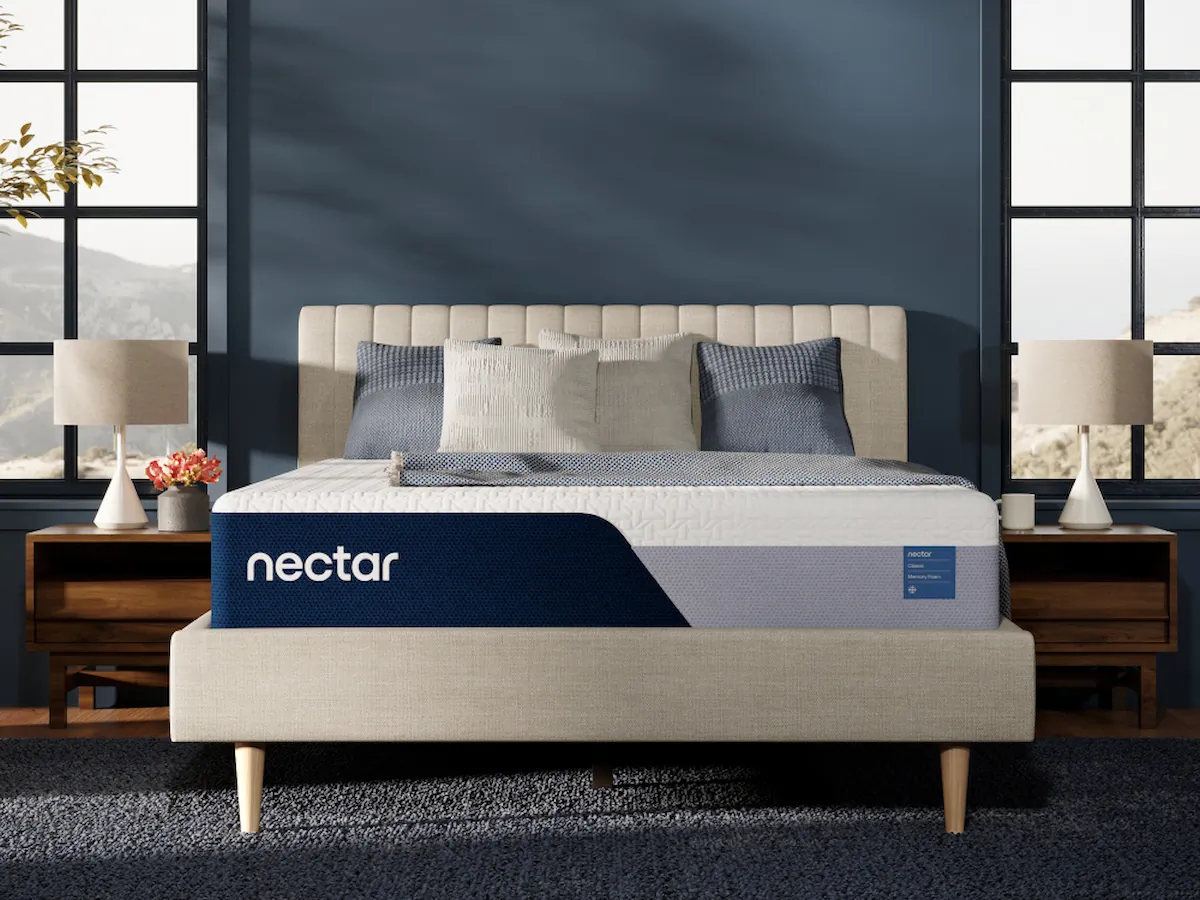
The strongest budget option that does not compromise on chemical safety. CertiPUR-US foam, 365-night trial, and lifetime warranty at well under the price of premium alternatives. The medium-firm feel is appropriate for kids over 50 lbs. The clearest limitations are heat (memory foam runs warm — relevant for kids who already sleep hot) and edge support (foam edge compresses more than coil alternatives, which matters for kids who roll to the edge). For parents with budget constraints who do not want to compromise on materials, this is the most defensible budget pick.
A solid hybrid pick for older children and teens approaching adult sleep needs. The pocketed coil base provides better cooling and edge support than foam alternatives, and the medium feel works for kids who are starting to develop adult-like position preferences (more side sleeping, more pressure on shoulders and hips). At under $1,200 for a queen, it is reasonable for a teen's longer-term mattress. The 100-night trial is shorter than ideal for a kids' bed. CertiPUR-US foam meets the chemical bar.
Related Reading
Compare top picks side by side →Full ranked list
Best Mattress for Kids
See every mattress we tested for kids, ranked by performance score.
Top Picks for Kids
See full list →Ranked by test data
Not sure which mattress is right for you?
Take our 60-second quiz and we'll match you with the best options for your sleep style and budget.
Take the Free Quiz →