Best Mattress for Elderly Women in 2026
Women over 65 face a specific combination of lighter body weight, osteoporosis risk, and post-menopausal joint changes that most mattress guides overlook entirely.
The mattress advice aimed at older women is almost always identical to the advice aimed at older adults in general. That is a problem, because there are specific physiological factors that affect women over 65 differently from men, and from the general senior population.
Lighter average body weight is the most consequential. Osteoporosis is far more prevalent in women than men. Post-menopausal joint changes affect which pressure points hurt and how much. These factors directly shape what firmness, material, and mattress type will actually work.
Why lighter body weight changes the firmness equation
Most mattress firmness ratings are calibrated for an adult of average weight, roughly 150 to 180 pounds. A woman who weighs 120 or 130 pounds will not compress the surface layers enough to engage the support system underneath in the same way. The mattress effectively feels firmer to her than it does to the person who reviewed it.
The practical consequence: a mattress labeled "medium-firm" may feel hard to a lighter woman. She does not sink into the comfort layers far enough to reach the pressure relief they are designed to provide. The hip and shoulder sit higher than intended, and the lumbar region has a gap underneath it rather than contact support.
The adjustment: lighter women over 65 typically need a surface that is one grade softer than the general recommendation. If the standard advice is medium-firm, the right choice is often medium or medium-soft. If the standard advice is medium, the right choice may be medium-soft.
Research: Interface pressure at the greater trochanter and acromion is inversely related to body weight in side-sleeping adults — lighter individuals experience higher localized pressure on the same mattress surface because they compress the comfort layers less. (Sacks GE, Spine, 2019)
Osteoporosis and mattress selection
Osteoporosis reduces bone density, making fractures from falls a serious concern. It also affects how the spine handles sustained positional loading during sleep.
A mattress that is too firm puts the hip and shoulder under concentrated point loading through the night. For a woman with reduced bone density, the clinical concern about sustained interface pressure is more acute, because the bony prominences have less structural mass to distribute force and the cortical bone is more brittle.
This does not mean the mattress needs to be soft. It means the mattress must adequately cushion the bony prominences so pressure is distributed across a wider contact area rather than concentrated at a single point. That is what medium to medium-soft surfaces do when matched correctly to a lighter body.
There is a secondary effect: vertebral compression fractures from osteoporosis change the geometry of the spine. A mattress that was ideal before a compression fracture may no longer provide the right support to accommodate the changed curvature. If you have had a vertebral fracture, a physical therapist's input on sleep positioning and mattress selection is worth getting before you buy.
Post-menopausal joint changes
Estrogen plays a protective role in joint cartilage health. After menopause, declining estrogen accelerates cartilage thinning in the hip, knee, and small joints of the hand and wrist. The pain pattern of osteoarthritis, which is the most common form in older women, is concentrated in these areas.
For sleep, the hip joint is the most relevant. A mattress that does not provide adequate cushioning at the hip will load a cartilage-thinned joint through the night. The inflammatory mediators produced by sustained joint compression contribute to the morning stiffness that many women over 65 describe as "takes an hour before I can really move."
The wrist and hand implications matter for getting in and out of bed. Pushing up from a mattress surface with arthritic wrists is painful. A higher mattress (combined with box spring) at approximately knee height reduces the leverage needed and makes the getting-up movement easier. A mattress with solid edge support means you are pushing from a stable surface rather than one that collapses under your hands.
On memory foam: Memory foam is often marketed to seniors for its pressure relief, and it does reduce peak pressure. But its slow response time (3 to 5 seconds) creates a real problem for women with hip and knee stiffness who reposition frequently at night. Each position change requires moving through a surface that has not yet adjusted. Latex and hybrid mattresses respond in under a second and are significantly easier to reposition on.
Temperature: many older women sleep cold
After menopause, the hot flash phase eventually stabilizes for most women. Older women in their 70s and beyond often sleep cold rather than warm. Mattresses with aggressive cooling technology (gel foam, phase-change covers, copper-infused materials) can make this worse.
Innerspring and hybrid mattresses are temperature-neutral by nature because the coil system allows airflow rather than actively pulling heat away. A wool or cotton comfort layer adds gentle warmth retention. For women who still experience occasional night sweats in their late 60s, a hybrid is a reasonable compromise: not actively cooling like foam-gel, but not heat-trapping either.
Specific recommendations
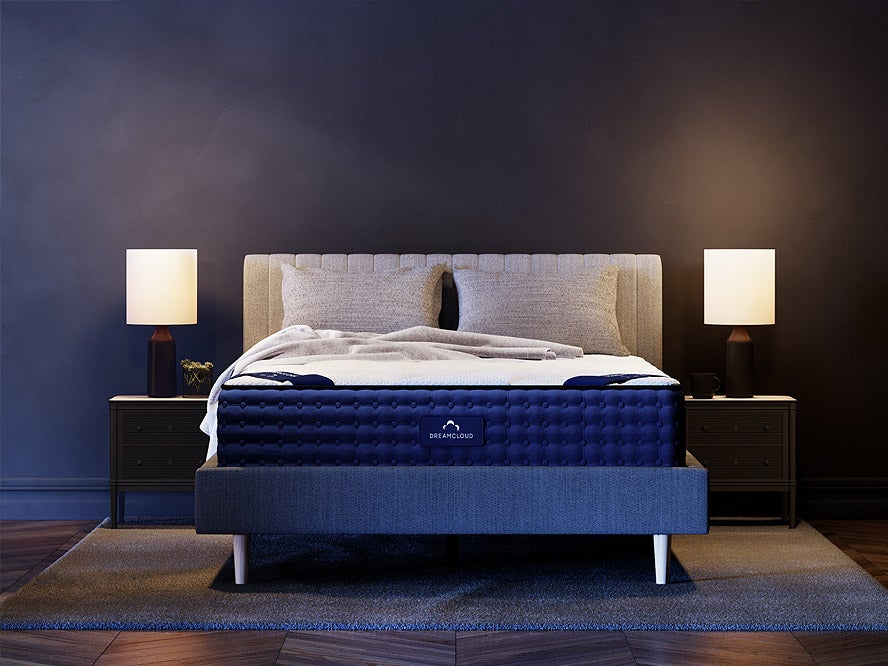
The pressure relief performance at the hip and shoulder is among the best available for side sleepers. The zoned coil system provides softer cushioning where lighter bodies need it most and firmer support under the lumbar region. The Tencel cover manages moisture without the active cooling of gel foams. For women who sleep on their side and have hip soreness as a primary complaint, this is the strongest match.
The GelFlex Grid transfers pressure differently from foam: it deflects under pressure points while providing support around them. For women with arthritis at the hip and shoulder, the pressure distribution is genuinely different from foam alternatives. The grid structure also provides immediate response rather than the slow return of memory foam.
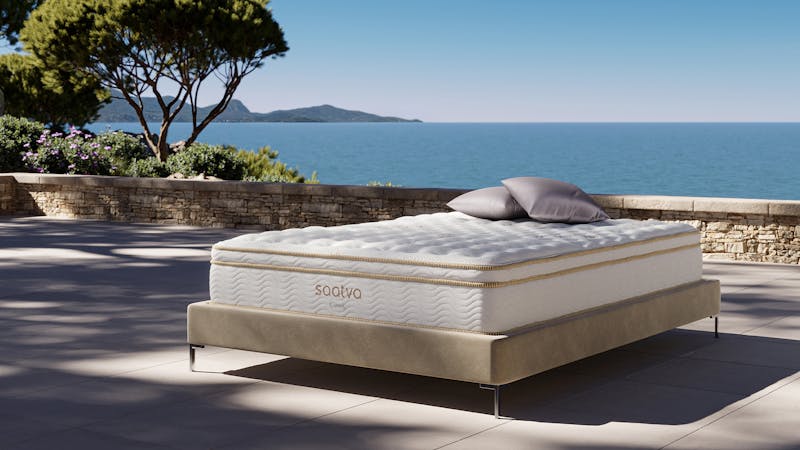
The coil-on-coil construction with reinforced perimeter provides the edge support that matters for getting in and out of bed with knee and hip stiffness. Available in Plush Soft, which suits lighter women better than the firmer options. The white glove delivery and setup service is a practical advantage for anyone managing mobility challenges.
One practical consideration before buying
If you are buying a mattress for a family member who is significantly lighter than average, ask the retailer how the firmness was tested and at what body weight. Many "medium" mattresses are tested by reviewers who weigh 160 to 180 pounds. The same mattress tested by someone at 120 pounds would likely be rated medium-firm to firm. That gap is worth accounting for before you commit to a purchase.
Related Reading
Compare top picks side by side →Full ranked list
Best Mattress for Seniors
See every mattress we tested for seniors, ranked by performance score.
Top Picks for Seniors
See full list →Ranked by test data
Not sure which mattress is right for you?
Take our 60-second quiz and we'll match you with the best options for your sleep style and budget.
Take the Free Quiz →