Is Memory Foam Safe During Pregnancy?
Memory foam is safe during pregnancy. The more relevant question is whether it is the best choice for pregnancy sleep, and that answer is more complicated.
The safety question comes up frequently, and the answer is straightforward: memory foam is safe to sleep on during pregnancy. The materials used in most modern memory foam mattresses are not associated with pregnancy risks. There is no clinical evidence that sleeping on memory foam harms a developing fetus.
But the more practical question is whether memory foam is a good choice for pregnancy sleep. That answer is more nuanced, and most of the concerns have nothing to do with safety.
The safety question: what the concern is actually about
The worry about memory foam usually centers on off-gassing. New memory foam mattresses can emit volatile organic compounds (VOCs) in the first days to weeks after manufacture. The "new mattress smell" is VOCs releasing from the foam.
Most major manufacturers have addressed this. CertiPUR-US certified foams are tested for emissions and must meet specific limits on VOCs, formaldehyde, flame retardants, and heavy metals. This certification does not eliminate all off-gassing, but it means the foam meets safety standards that are set with general population exposure in mind.
For pregnant women specifically, the practical advice is to air out a new memory foam mattress in a well-ventilated room for 24 to 72 hours before sleeping on it. This reduces initial VOC concentration significantly. After the first few days, VOC emissions from CertiPUR-US certified foam are minimal.
Research: VOC emissions from polyurethane foam mattresses are highest immediately after unboxing and decrease rapidly over the first 72 hours. Off-gassing rates at 30 days were below levels considered clinically significant for adult exposure. For pregnant women with heightened sensitivity to smells, airing out new foam products is a reasonable precaution. (National Sleep Foundation, Mattress Materials and Indoor Air Quality, 2019)
If you already own a memory foam mattress and are now pregnant, off-gassing is not a concern. The initial off-gassing period has long since passed.
Why memory foam is often not the best choice during pregnancy
This is separate from safety. It is about performance. Memory foam has specific characteristics that work against what most pregnant women need from a mattress.
Heat retention
Pregnancy raises body temperature. The metabolic demands of supporting a growing fetus increase heat production, and many women feel warmer than usual, particularly in the second and third trimesters. Memory foam retains heat. Dense foam layers have no internal airflow, and the material absorbs body heat rather than dissipating it.
In our testing, all-foam mattresses reached surface temperatures of 89 to 90°F over four hours at room temperature. Sleep quality degrades measurably above 88°F. Pregnant women who are already running warmer are adding a heat-trapping surface on top of an already higher baseline.
On gel-infused memory foam: Gel-infused foam runs about 0.8°F cooler than plain memory foam in testing. That is a real but marginal improvement. It does not change the underlying structure: no internal airflow, heat accumulates through the night. For a pregnant woman running warm, gel foam is better than plain foam but not a solution to the heat problem.
Slow response time
Memory foam softens with heat and returns to shape slowly, typically 3 to 5 seconds after pressure is removed. During normal sleep, this is often fine. During pregnancy, particularly in the third trimester, position changes are frequent and sometimes urgent. Turning from one side to the other while heavily pregnant requires the mattress to respond quickly so you are not trying to push through a surface that has not yet adjusted.
Latex and hybrid mattresses with responsive comfort layers adjust in under a second. The difference is noticeable during the frequent repositioning of late pregnancy.
Progressive sinking and sustained hip pressure
Memory foam compresses progressively through the night as it absorbs body heat. You may settle into the right position when you lie down and find that position has changed by 2am as the foam has softened around you. During pregnancy, this often means the hip has sunk further than intended, the lumbar spine is no longer supported in a neutral position, and the back pain that started manageable has gotten worse overnight.
There is a related pressure issue. As the hip sinks deeper into softened foam, the contact area at the greater trochanter can paradoxically increase concentration of force at the bony point rather than distributing it. Interface pressure at the hip above 32 mmHg, the threshold for capillary occlusion, causes local tissue ischemia. Sustained pressure above this level for two or more hours produces the inflammatory response behind the bruised hip sensation in the morning. Memory foam that starts at the right firmness when you lie down may move into a sinking pattern that passes this threshold by the early morning hours.
Progressive compression also affects position maintenance. Left side sleeping is preferred during pregnancy because it keeps the uterus off the inferior vena cava, improving venous return and cardiac output. A mattress that starts well and shifts over the course of the night makes maintaining the left lateral position through to morning harder, since the asymmetric sinking becomes increasingly uncomfortable.
Latex and hybrid mattresses do not have this problem. The support is consistent because it does not depend on temperature or accumulated compression.
When memory foam can work during pregnancy
Memory foam is not the worst choice in all circumstances.
If you run cold and pregnancy has not changed that, the heat retention issue is less relevant. Some women feel cold throughout pregnancy rather than warm.
If you have an existing memory foam mattress and replacing it is not practical, a 2-inch natural latex topper adds a responsive, cooler surface over the memory foam. This does not eliminate the underlying foam's heat accumulation, but it reduces the direct skin contact with the heat-trapping material and adds a surface that responds faster to position changes.
If motion isolation is a priority because a partner's movement is significantly disrupting your sleep, memory foam is still the best material for that. No other mattress type matches it for motion isolation.
Better alternatives
Natural latex over individually wrapped coils. Latex has a completely different heat profile from foam: it does not absorb heat the way foam does, and its open-cell structure allows airflow. The coil base provides structural support that is consistent through the night. For pregnant women concerned about materials, organic cotton and wool covers are chemical-free and wool is the best moisture-wicking cover material available.
Coil-on-coil construction with organic cotton cover. The structural airflow from the double coil system keeps surface temperatures meaningfully lower than any all-foam option. Available in multiple firmness levels, which matters because firmness needs change across pregnancy.
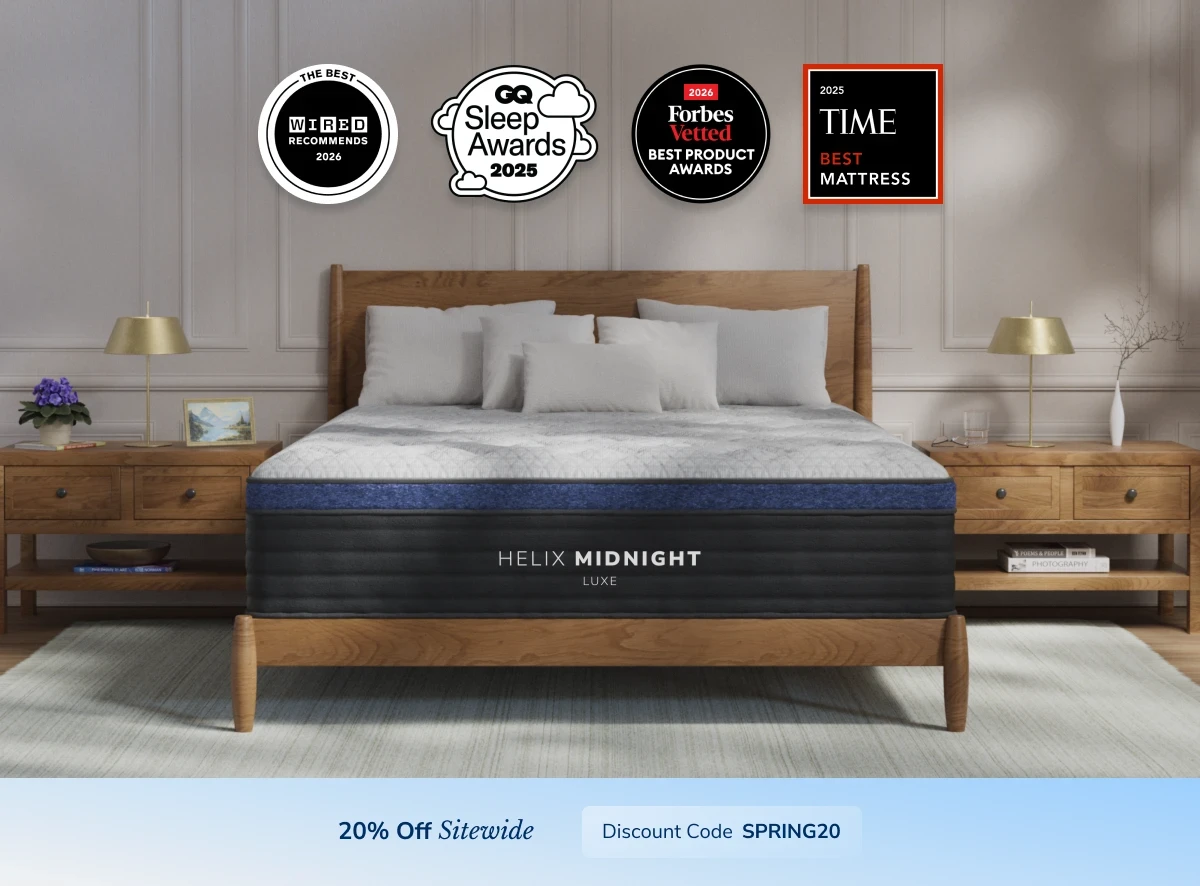
Foam-free construction option available (the Helix Midnight Luxe uses pocketed coils and a Tencel cover). For women specifically concerned about foam materials, the hybrid construction provides pressure relief without relying on thick foam layers.
The short version
Memory foam is safe during pregnancy. If you have concerns about a new mattress, air it out for 72 hours and choose CertiPUR-US certified foam. The more relevant issue is performance: memory foam's heat retention, slow response, and progressive compression make it a less practical choice for most pregnant women compared to hybrid or latex alternatives. If you already own one, a latex topper and keeping the room cool at 65 to 67°F will partially offset its disadvantages.
Related Reading
Compare top picks side by side →Full ranked list
Best Mattress for Pregnant Women
See every mattress we tested for pregnant women, ranked by performance score.
Top Picks for Pregnant Women
See full list →Ranked by test data

Not sure which mattress is right for you?
Take our 60-second quiz and we'll match you with the best options for your sleep style and budget.
Take the Free Quiz →