Best Mattress for Side Sleepers in 2026
Side sleeping puts direct pressure on your shoulders and hips. The wrong mattress makes that worse. Here's what to look for and what actually worked in our testing.
Most people who sleep on their side and wake up with shoulder or hip pain assume it's their body. It's usually their mattress.
When you're lying on your side, your shoulder and hip are absorbing most of your body weight. Too firm and those points bear too much load and push the spine out of alignment. Too soft and your hip drops, your lower back curves to compensate, and you wake up stiff without understanding why.
What actually matters for side sleeping
The shoulder is the biggest variable. It needs to sink in enough that your spine stays level, but not so far that your whole torso rolls. A mattress that's too firm refuses to let the shoulder do that, and you wake up with that specific ache at the top of your arm or between your shoulder blades.
Hips are the other side of it. Too much give and your lumbar region bends downward. Not enough and you get the same pressure point problem on the other end.
Research: Lateral sleep position (side sleeping) generates peak interface pressures at the shoulder and hip joint that significantly exceed those in supine or prone positions. A mattress that fails to relieve these peak pressures contributes to soft tissue compression and nocturnal discomfort. (Verhaert V, Ergonomics, 2012)
One thing that gets underrated: body size actually changes this equation. Someone who weighs 120 pounds and someone who weighs 230 pounds sleeping on the same mattress are having different experiences. The lighter person doesn't press down as far, so they need a softer surface to even feel the pressure relief. The heavier person sinks deeper and needs more resistance to stop the hip from dropping too far.
Firmness guide by body type
| Body weight | Recommended firmness | Why |
|---|---|---|
| Under 130 lbs | Medium-soft to Soft | Lighter sleepers don't compress foam as deeply, need a softer surface to feel relief |
| 130–200 lbs | Medium | The sweet spot for most side sleepers, enough give at shoulder/hip without excessive sink |
| Over 200 lbs | Medium to Medium-firm | More bodyweight = deeper compression, need more resistance to prevent hip drop |
| Broad shoulders (any weight) | Lean softer | Wider shoulders need more give to keep the spine level |
The showroom problem: Mattresses that are too soft feel amazing when you lie down for two minutes. After a couple hours in the same position, your hip has sunk past where it should be and your spine has curved to follow. You won't notice this in a store. Give a mattress at least 10–14 days before deciding.
Mattress types
Memory foam is good at pressure relief. It molds close to the shoulder and hip and spreads weight across a wider area. What it doesn't do well is sleep cool, and it has a slow response that makes turning over feel like more effort than it should.
Hybrids are the most reliable choice overall. Coil base for real support (your hip won't sink through to the floor) with foam or latex on top for pressure relief. They also breathe better than all-foam options.
Latex is worth mentioning separately because it behaves differently. It doesn't have the slow-conforming quality of memory foam. It pushes back more actively, contours to your shape, then returns when you move. Side sleepers who hate the "stuck in quicksand" feeling of memory foam often do much better with latex.
What we actually recommend
Seven zones of firmness built into the mattress itself: softer under the shoulder, firmer under the hip and lumbar. That zoning does real work for side sleepers who need different things from different parts of the mattress simultaneously. Tested across a range of body types, it holds up consistently.
Helix literally designed this one for side sleepers. Medium feel, hybrid construction, and the pressure relief at hip and shoulder is noticeably good. It's also several hundred dollars less than the Wave Hybrid for similar core performance. If you don't want to spend Casper prices, start here.
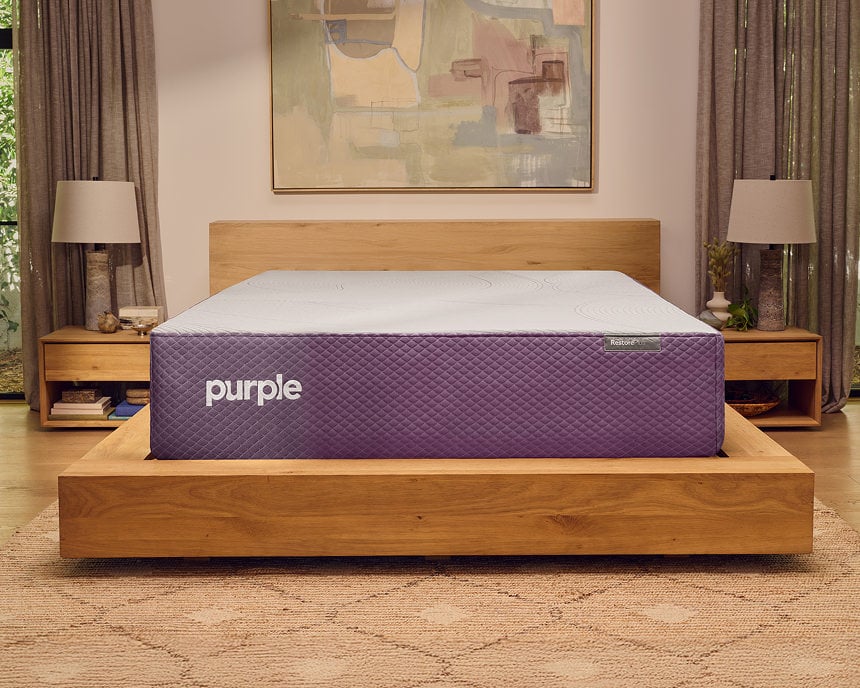
The GelFlex Grid deflects and supports around the point of contact instead of compressing under it. For side sleepers with particularly sensitive hips or who've had consistent problems with shoulder pressure, this one is worth trying. It feels strange at first. But a lot of people who couldn't get comfortable on anything else find Purple works when nothing else did.
If you want the feel of a traditional hotel-style mattress and not foam or hybrid, the Saatva in Plush Soft is the one. The Euro pillow top gives real cushion and there's a lumbar support zone in the middle third that keeps the lower back from dropping even though the surface is soft.
When you're testing a mattress, lie on your side for at least ten minutes in the position you actually sleep in. The first two minutes on almost any mattress feel fine. It's what happens when you've settled in that tells you whether it's actually right.
Full ranked list
Best Mattress for Side Sleepers
See every mattress we tested for side sleepers, ranked by performance score.
Top Picks for Side Sleepers
See full list →Ranked by test data
Not sure which mattress is right for you?
Take our 60-second quiz and we'll match you with the best options for your sleep style and budget.
Take the Free Quiz →